Be yourself; Everyone else is already taken.
— Oscar Wilde.
The R1TTour.com blog is my creative outlet and a way to share. My R1T is my pick up truck and a symbol of the liberty I have enjoyed for the past five years and plan to enjoy going forward.
Trying to live well
Be yourself; Everyone else is already taken.
— Oscar Wilde.
The R1TTour.com blog is my creative outlet and a way to share. My R1T is my pick up truck and a symbol of the liberty I have enjoyed for the past five years and plan to enjoy going forward.
By Guest Blogger Sue Glenn July 2026
As I reflect on our Canadian Rockies trip, I consider the age-old travel question: To Tour Group or Not To Tour Group?
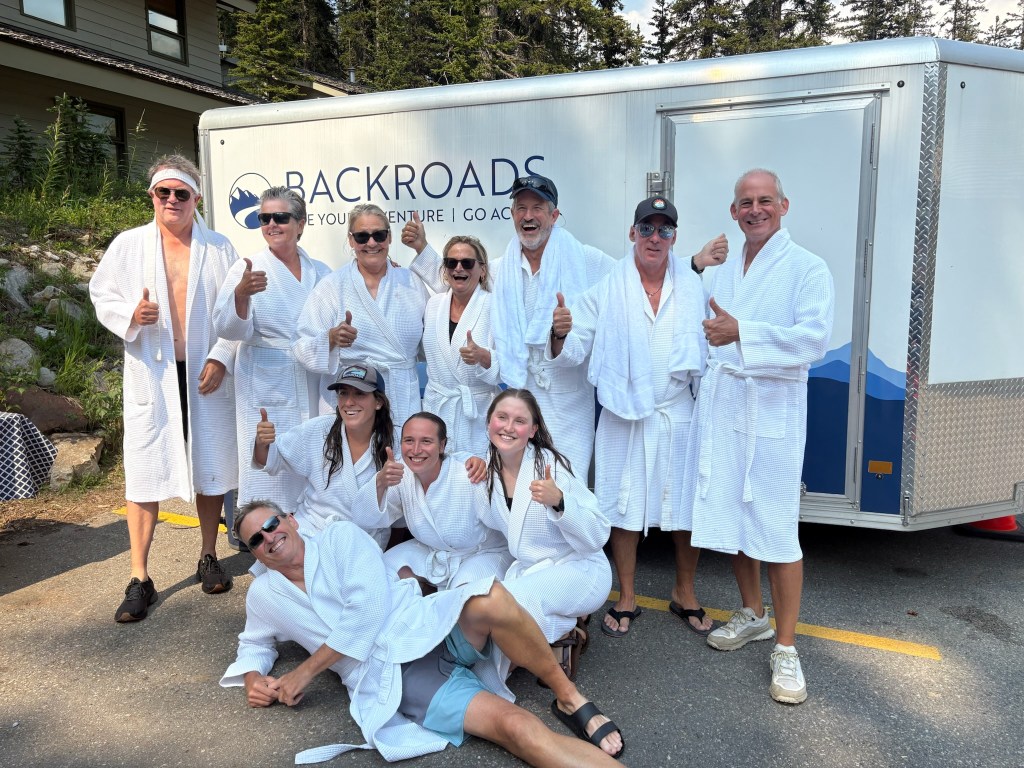
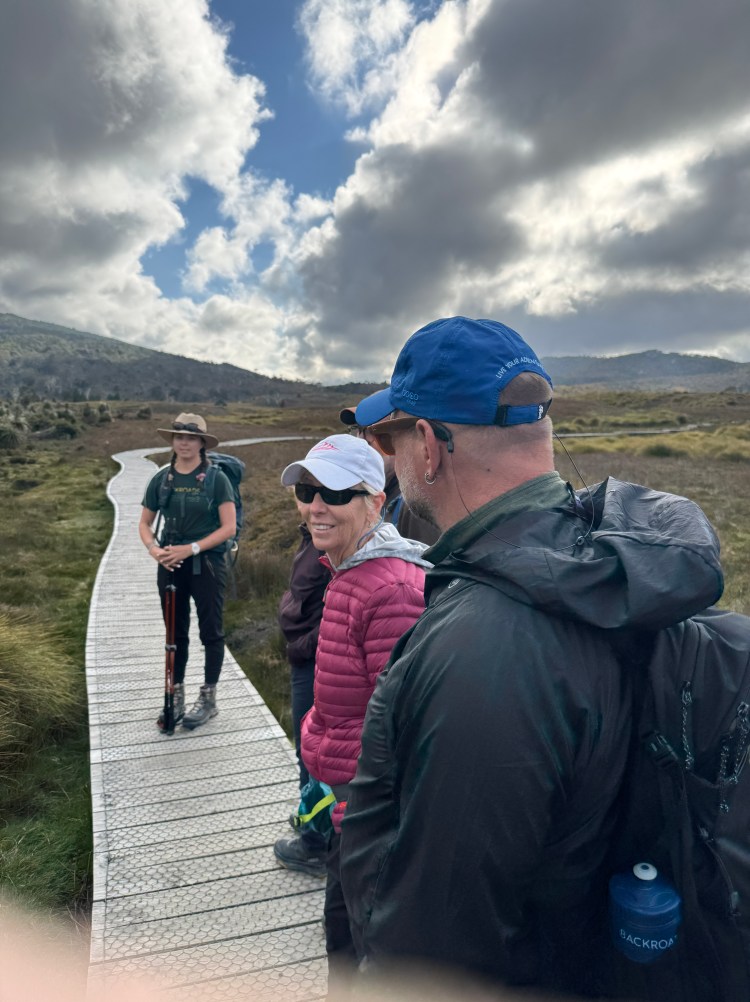
Prior to this experience, Mark and I had always planned our own trips and travelled by ourselves or with one or two other couples who we knew well.But this time, we opted for the first time to use a hiking tour group, namely Backroads, and book their well-planned Canadian Rockies 6 day tour. There were 14 travelers in the group (four of whom we knew) plus three fabulous guides. Here are some of my thoughts re using a hiking tour group for this specific Canadian Rockies trip:
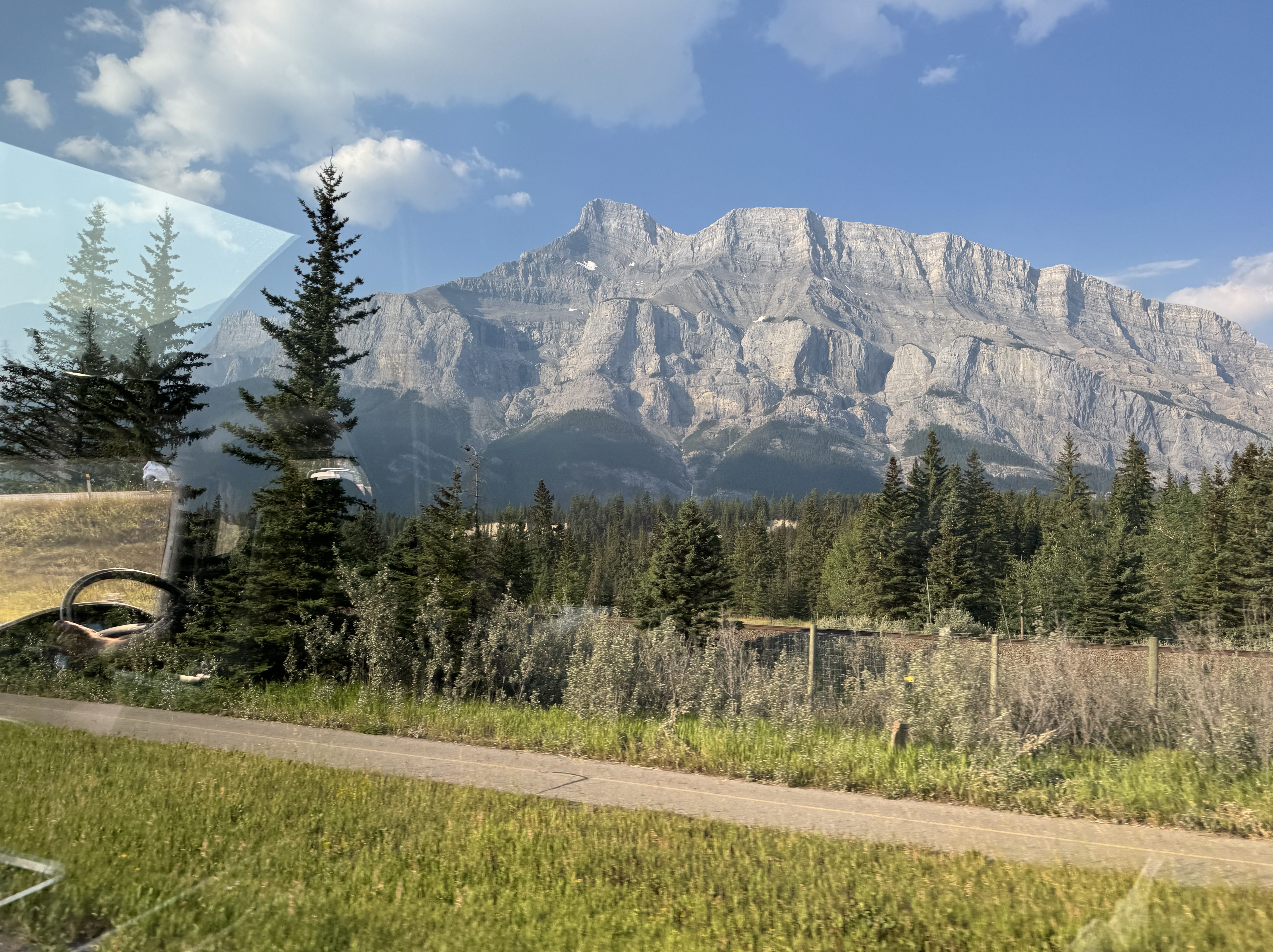
Logistics: Hikers in the Canadian National parks who were not part of a tour group had a difficult logistical experience. Parking was often far from the trailheads and in some cases shuttles were required from large parking areas to trailheads. Some hotel properties or amenities were closed to non-guests after a certain hour. As part of the Backroads group (and also when we did a separate private tour of Yoho and Kootenay parks), our van was allowed easy access to parking close to the trailhead. Logistics were incredibly smooth and stress-free! Backroads wins in a big way
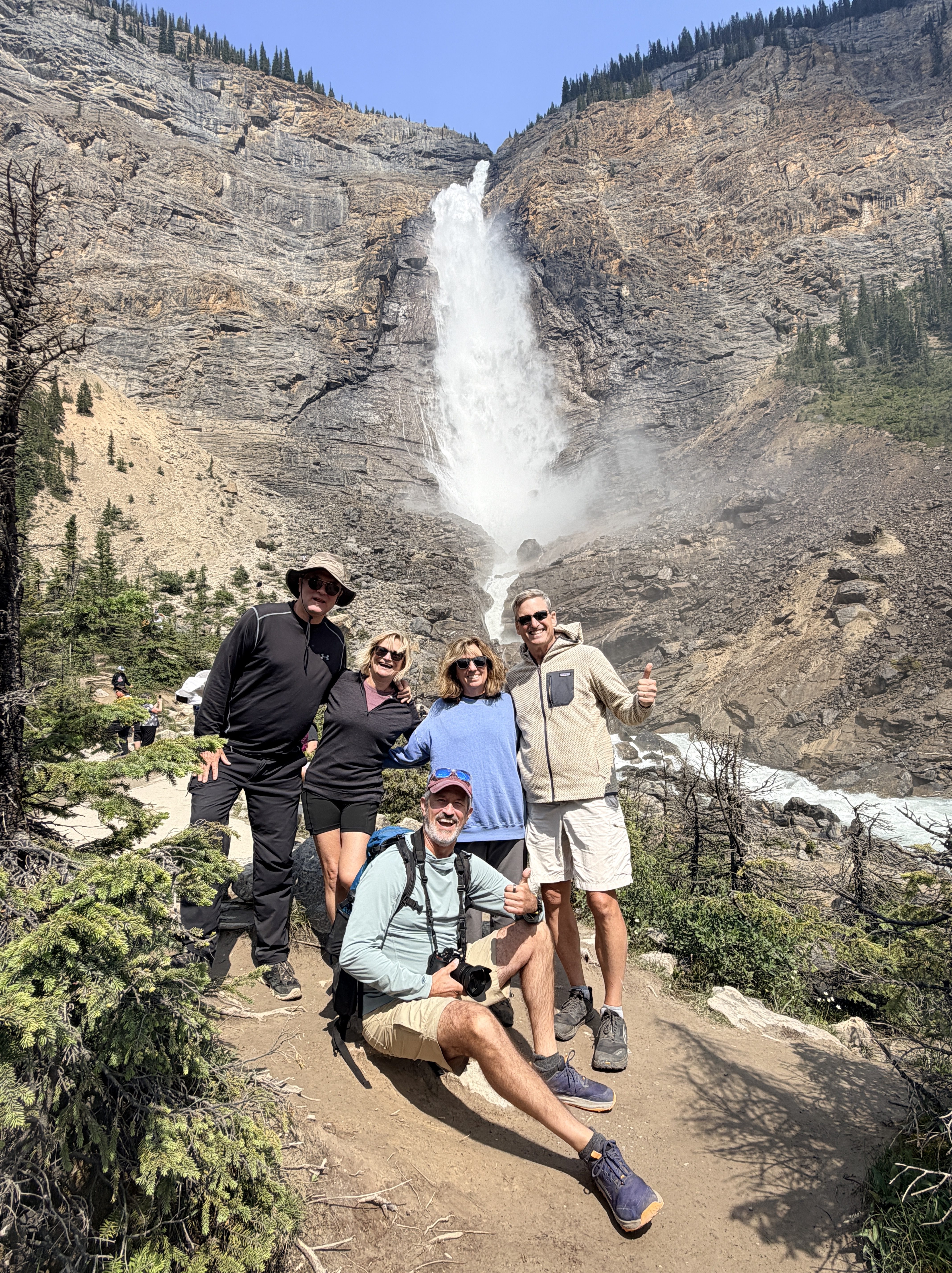
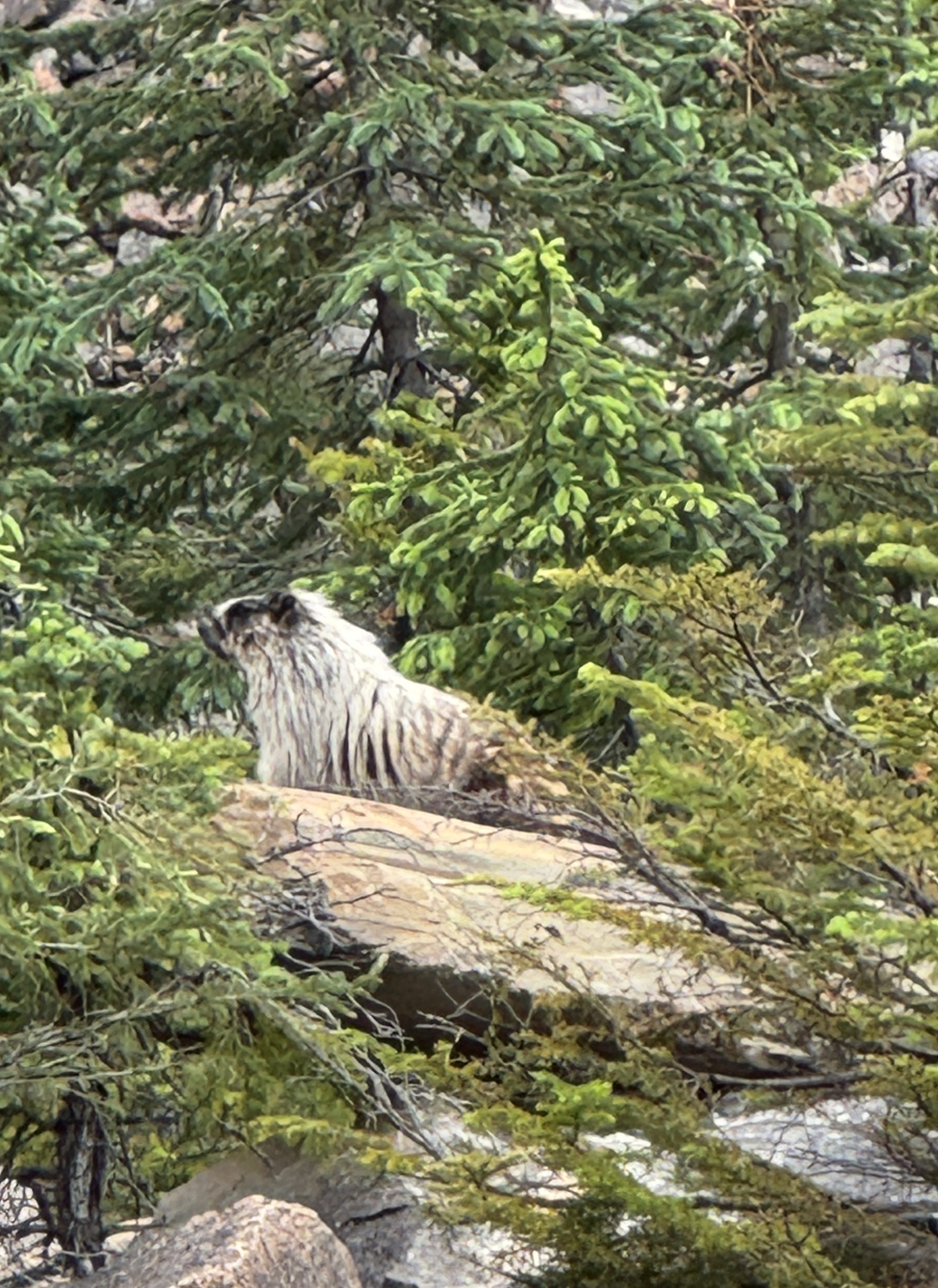
Local Knowledge: I love to learn about the areas I am visiting – the history, the traditions, the terrain, the flora and fauna. The stories we heard from our guides significantly added to the overall experience – we could not have gathered this knowledge on our own. Backroads wins
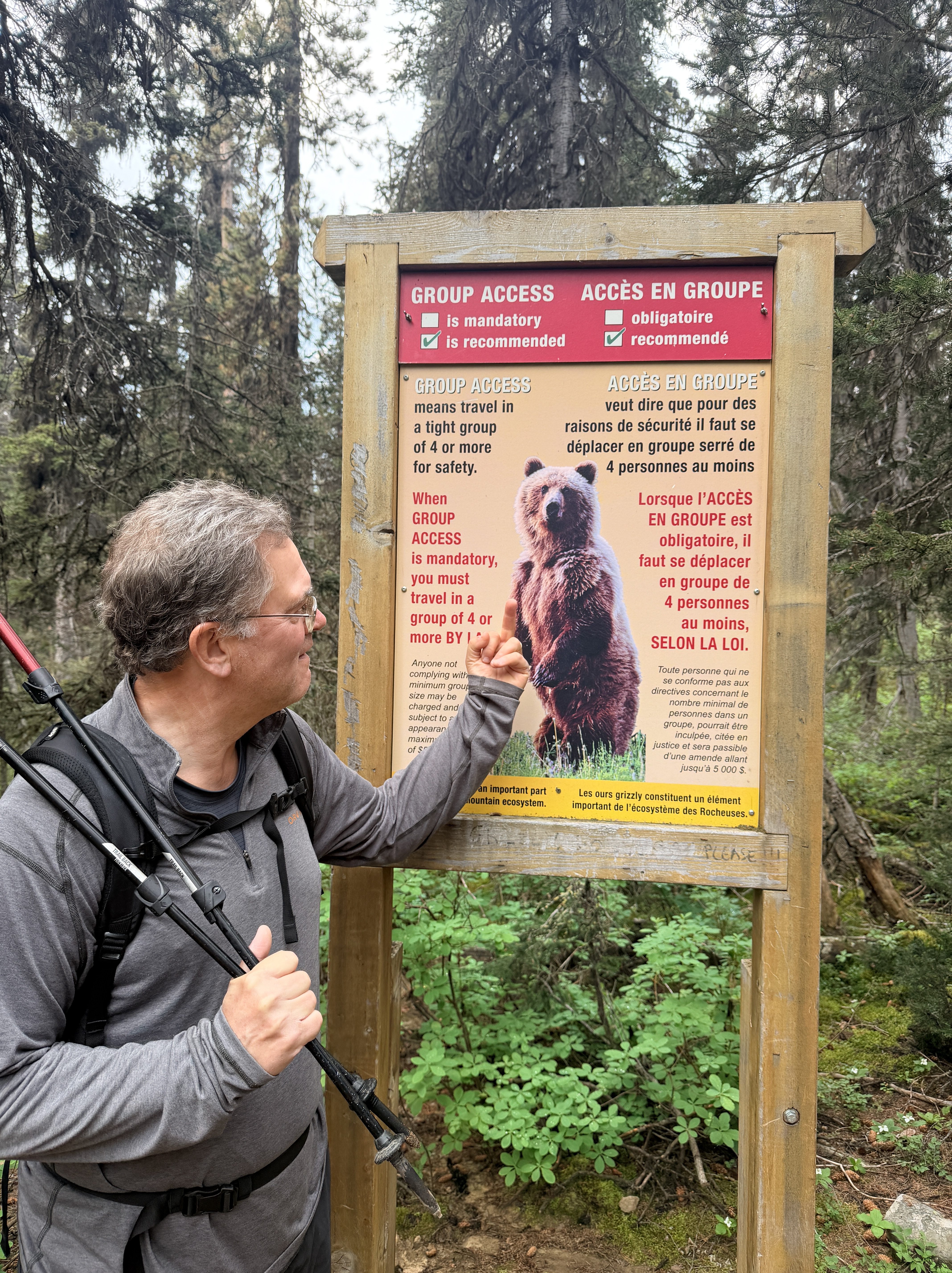
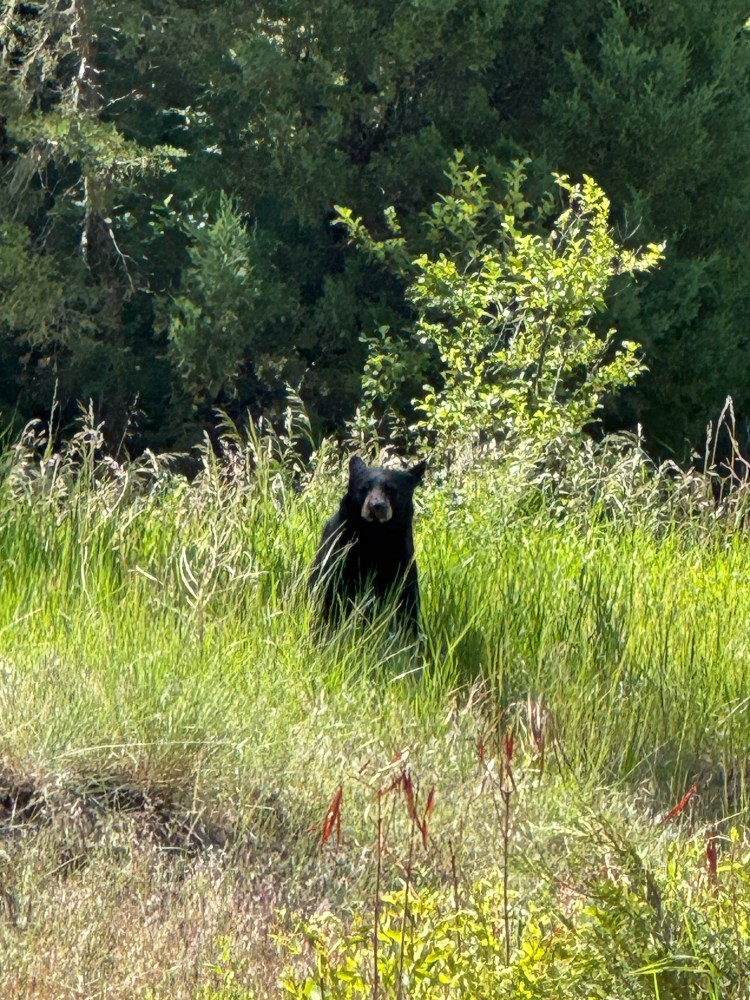
Wildlife Sightings: One of the goals for many in the group was to see wildlife, normally plentiful in the Canadian Rockies. Perhaps because of the size and loudness of our group (or perhaps because of Mark’s repeated “Hey Bear” calls), we saw no bears and very little wildlife on our hikes. Perhaps in a smaller group we would have seen more wildlife and perhaps any bears might have taken Mark’s words as an invitation to visit our small group rather than a warning to stay away. Non-Backroads likely wins for wildlife sightings but maybe Backroads wins for safety
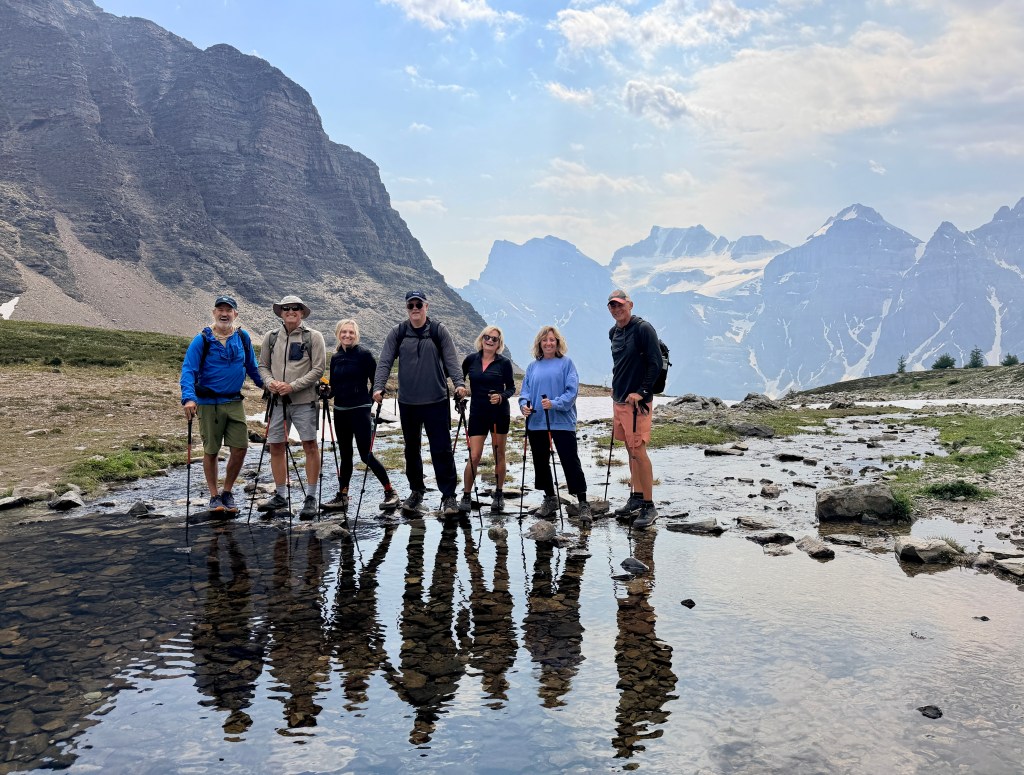
Pacing of Hikes: Members of the group had varied hiking backgrounds, abilities and interests. Some were much slower hikers or had injuries that prevented them from doing the hikes. Some were focussed on taking photographs. Others set a much faster pace and wanted to hike the longest/most difficult route. Because of the concern for bears, a guide had to try to stay with each group of people which meant sometimes people had to go slower or faster than then would have preferred in order to stick close to a guide. In a smaller group we probably would have more easily hiked at our own desired pace. Non-Backroad wins
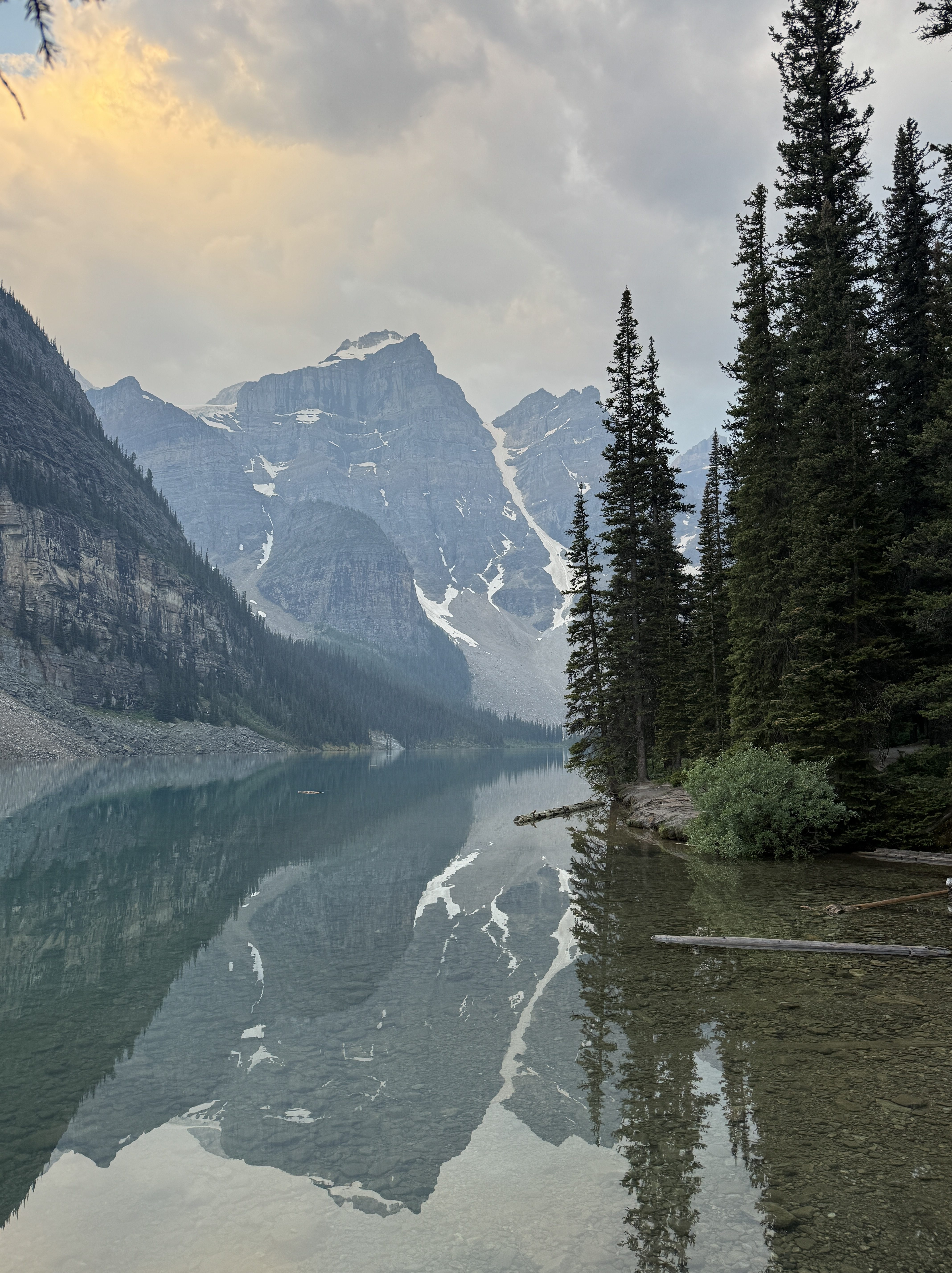
Group Diversity and Dynamics: Because of the size of the group, there was always someone to walk and chat with. Each day I spent time with a different person or group of people – either on a hike or at a meal. And I met two doppelgängers in the group! Donna was the exact clone of my dear friend Robin and Tracy was a match for my friend Martha. Their looks, personality, and temperament made me feel like two of my best friends were traveling with me. And we still were able to spend time with the six of us who are friends – meeting up as a small group for some breakfasts and dinners, having a drink together, or hiking with each other. Both options are great but Backroad wins for more group diversity (and doppelgängers!)
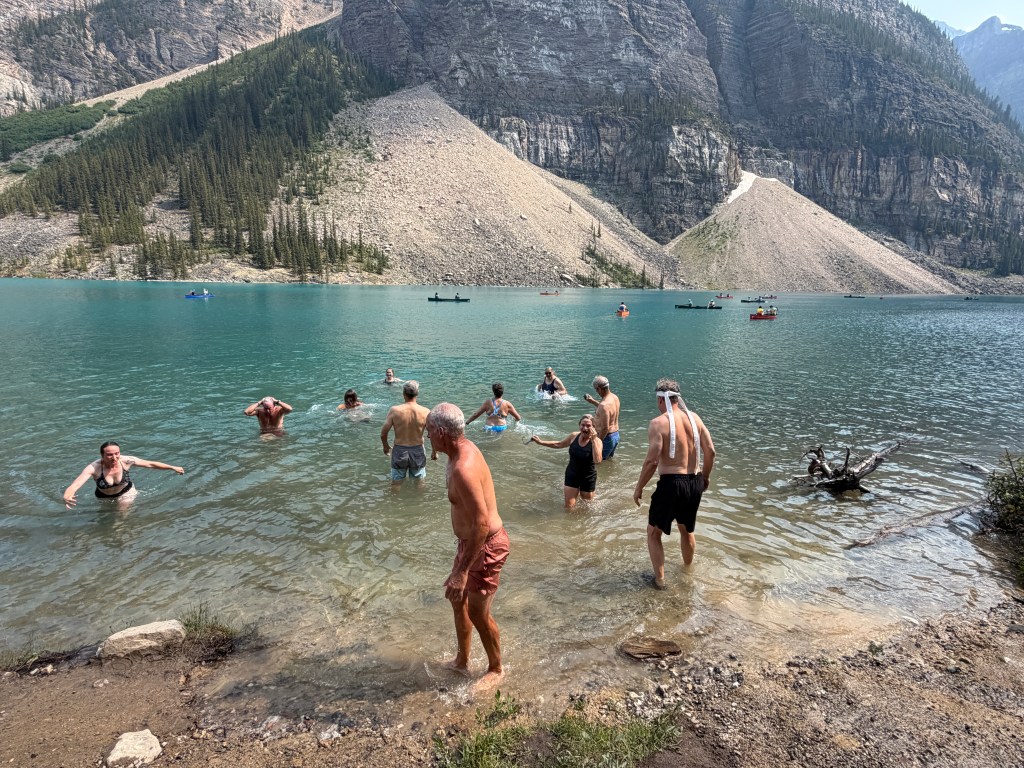
Pushing the Envelope: Encouragement (pressure?) from some of my new friends in the group led me to participate in the glacial lake plunge – one of my most fun activities of the week! I am not sure if I would have done this if it was just Mark and me. Backroads Wins
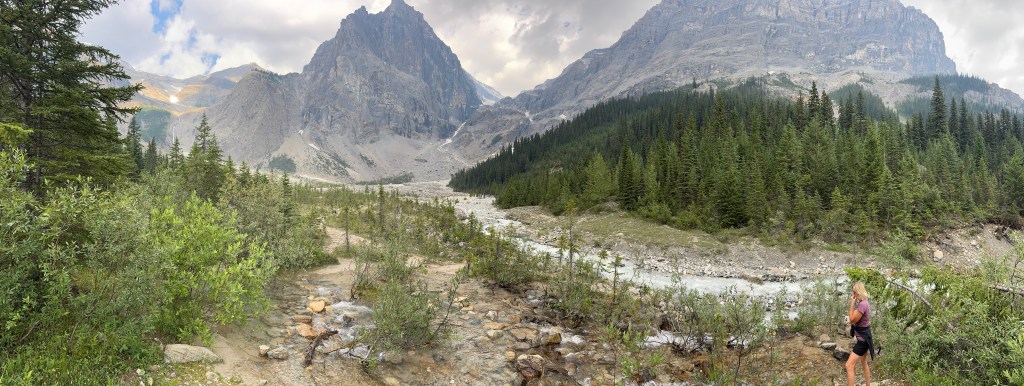
Long story short, for this adventure I think Backroads was the way to go, especially because of the potentially difficult and cumbersome logistics of trying to visit these parks and do these hikes on your own. Highly recommend this Backroads trip!!
Jim Dickens June 2026
Good Blood Pumping Fun
Before I turned thirty, I had caught passes over the middle, jumped off cliffs, skydived and bungee jumped. An Australian I met back then, described diving with great white sharks attacking the meat attached to the cage as good blood pumping fun. It was a great way to describe the pleasure of thrill seeking.
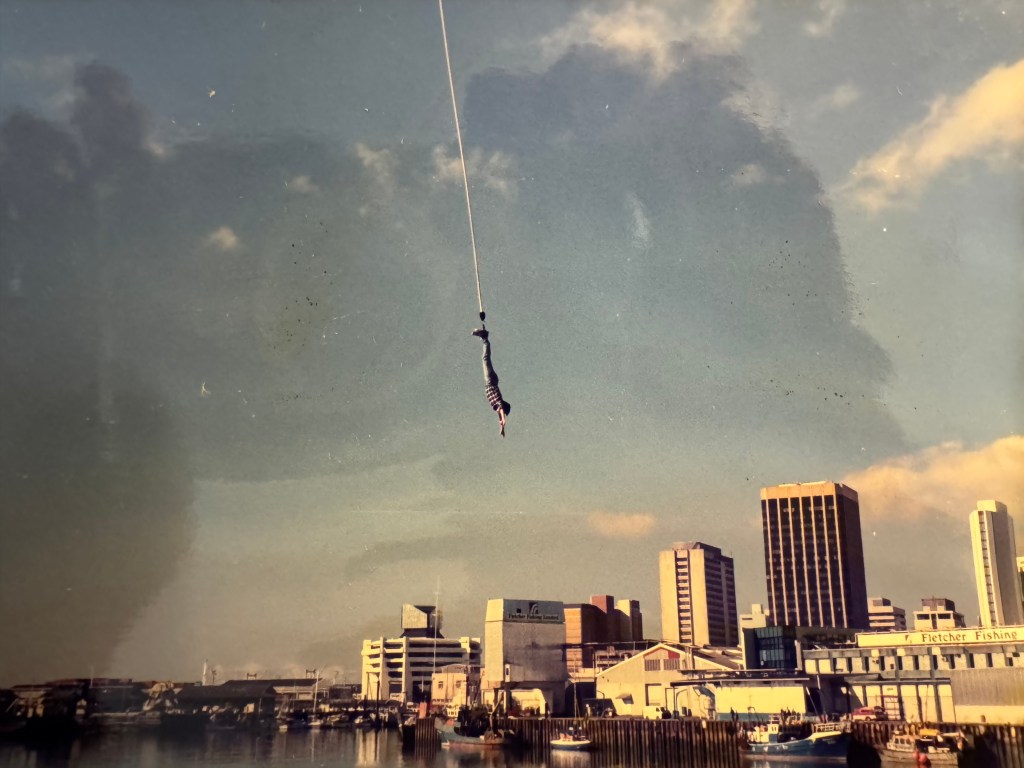
However, marriage, children and insurance costs caused me to lower my risk profile. Now old, it’s great just to wake up with no life threatening illnesses and low arthritic pain. I have no compunction for thrill seeking. Well not by choice, I again experienced fright induced adrenaline not once but three times this June.
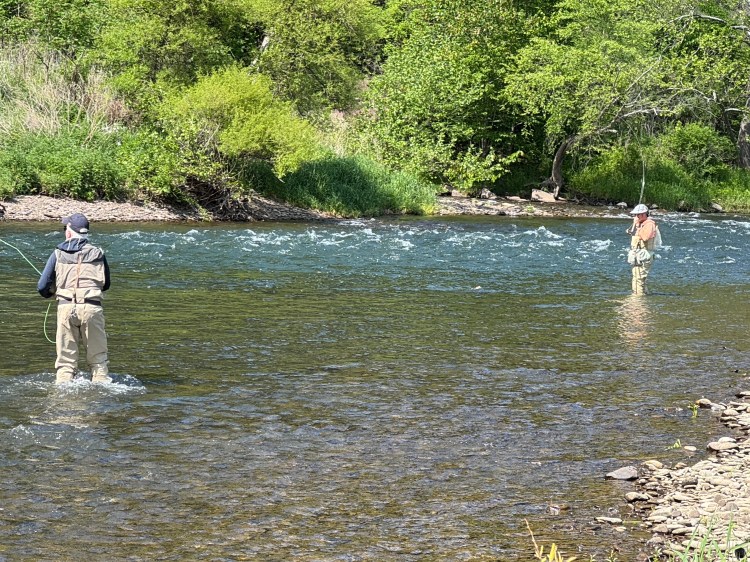
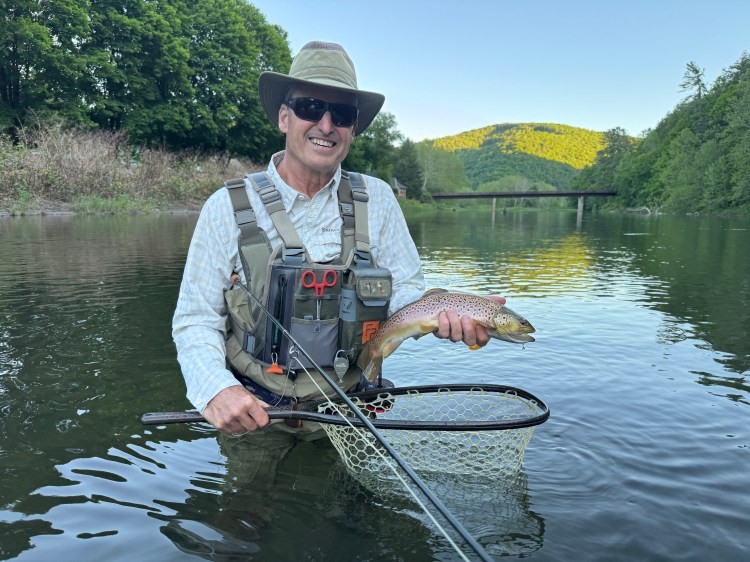
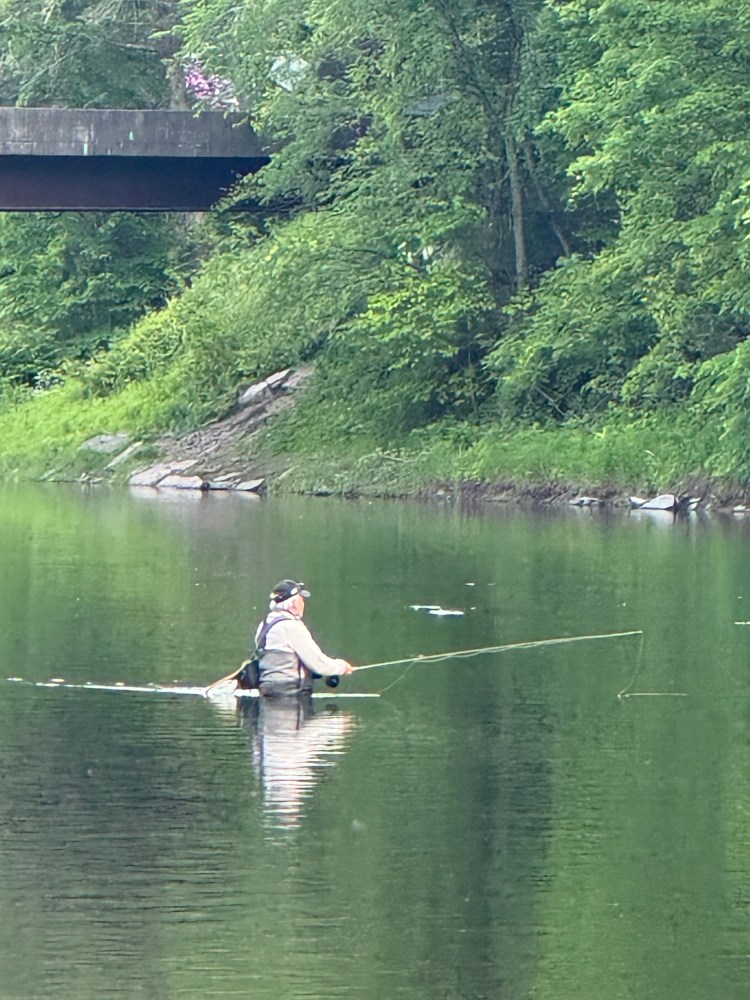
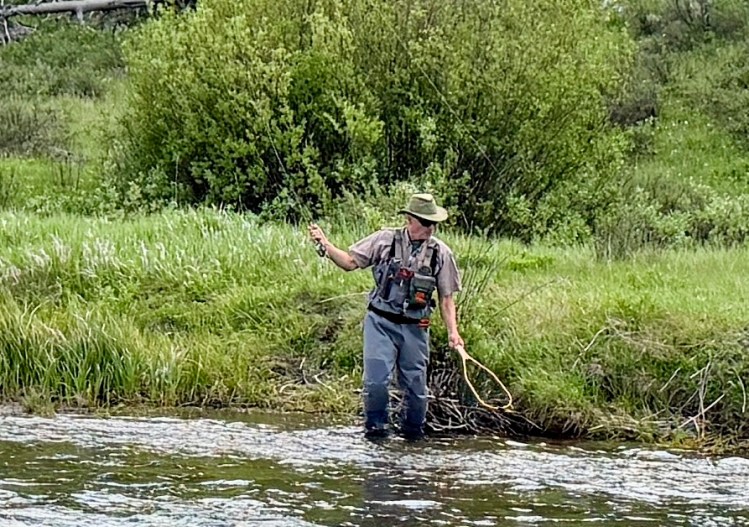
I fly fished a good deal in June as it’s a good month for it. I road tripped to the Grand Canyon of Pennsylvania and fished with my good buddies Pete, Pete and Pat who also happen to be really good fishermen. Pine Creek is excellent at this time and we caught lots. At one point, I forded across to access a promising spot. Because that fording is difficult others don’t fish there. I sat down on a rock and tied on new flies. When I stood up I heard a buzzing right next to me. Not fly buzzing but the buzz of an unhappy timber rattle snake rattling. I jumped away the rattling quieted and it’s head came up right next to the rock I had been sitting on. I let out a whoop of relief and it was some time before I calmed and could start fishing again.
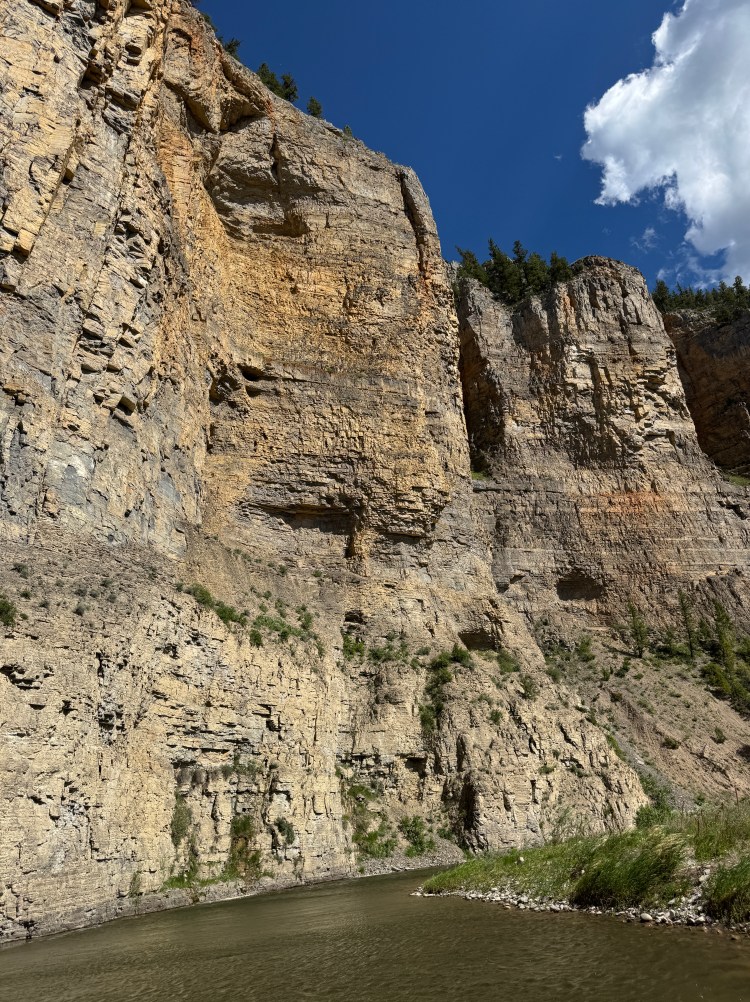
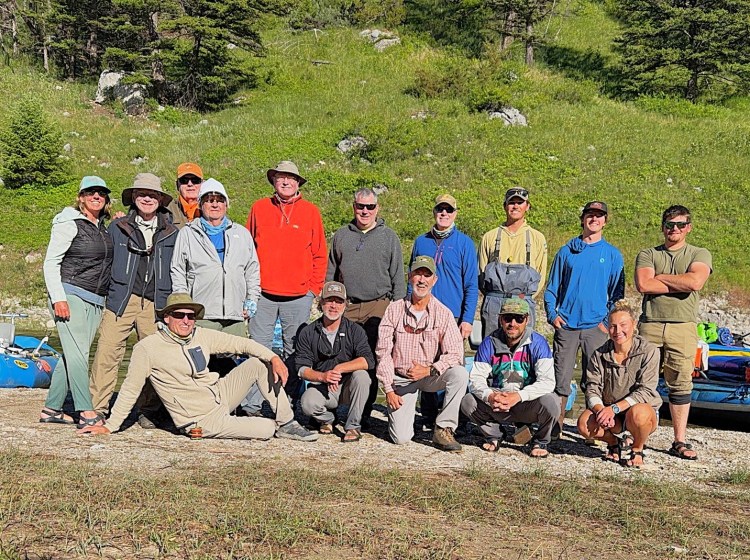
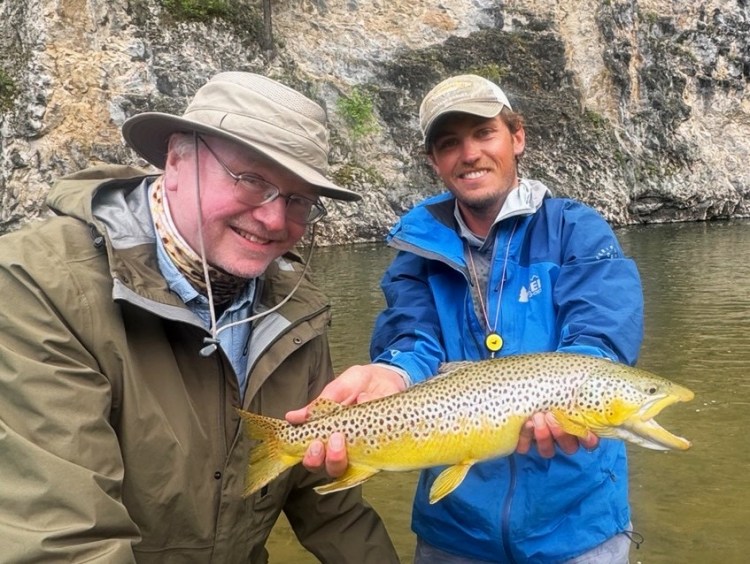
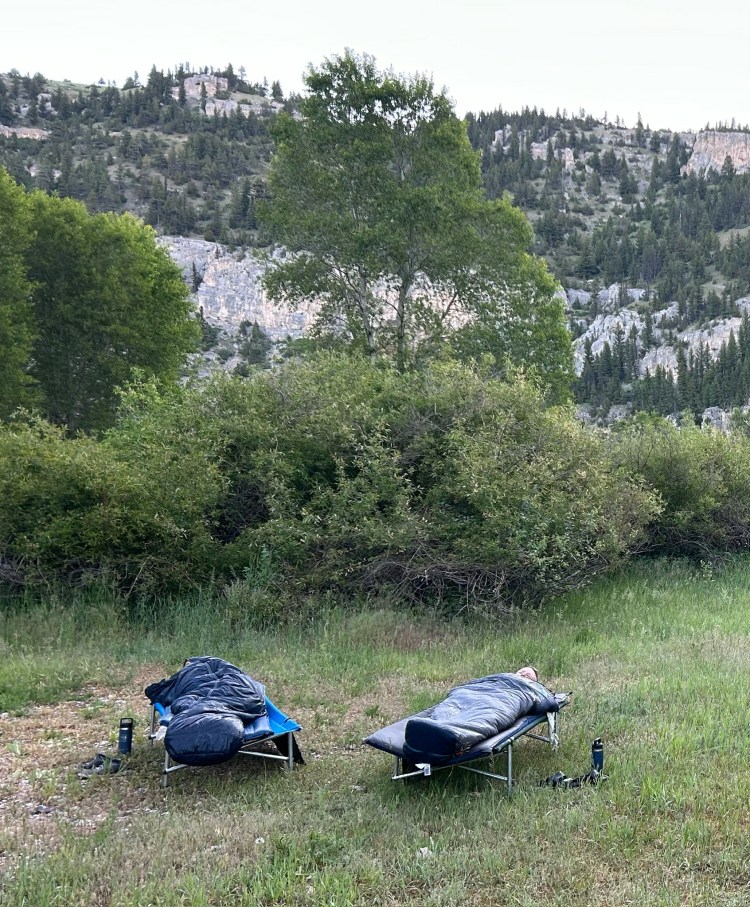
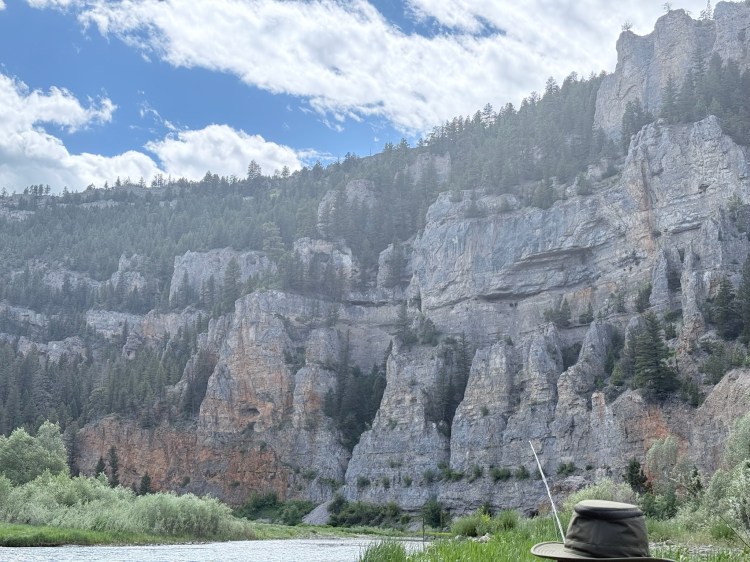
Just 10 days later I was camping and fishing on the Smith, a national scenic river, with Pete, Chet and my Trout Unlimited buddies, Willie, John, Dave and Jack, another accomplished fishing crew. I like to sleep outside of the tent on a cot so I can see the stars. On our second night I awoke to a scratching noise right next to my head. As the fear built, it took a moment to decide what to do which allowed my fear to continue building. I slowly reached my hand out of my sleeping bag and touched a large bug, salmon fly. No biting stinging or clawing occurred and I swept it and its friends off. I moved the cot away from the tree they had fallen from and eventually after calming fell back asleep.
After leaving the Smith, Pete and I joined a true adventurer Chris to fish a secret stretch of the Gallatin River near Bozeman. I went to cross a knee deep rapid behind Chris, slipped and fell down. I tried to stand and realized it wasn’t going to happen. So I went for a swim. The icy water hit my skin as I rolled on my back in the fast water and rolled onto my stomach as it slowed started paddling to shore rod in hand as the next rapid got closer. Pete helped me out and helped drain the gallons now filled my waders. My left boot upper had detached from my sole so I used that excuse for the slip. I walked the half mile back to our truck for something drier and wet wading shoes. Once back I calmed down, reloaded and returned to the river. The fishing was excellent but the swim is etched in my brain.
We think of fear and danger as a bad thing. I like to think that as long as you come out whole you get good stories, a lot of learning and a thrill. In fact it can sometimes be good blood pumping fun.
Jim Dickens May 2026
When I ask my wife, Lori, “Where would you most like to go for a vacation?”. She answers, “Where all my kids will be.”. So the next step is to figure out where all the kids will go if they have to be with us. However, there are ever increasing levels of complexity to pull this off.
The complexity expands in many ways so let me give you just a few examples. They don’t live close by and need to get on a plane which is cost and time. They all now have busy jobs with limited vacation and days they should be at work. They are all married to working spouses who also have full time jobs. They are now members of other families who’d like to see them further limiting time and effort available. Finally, there is this nuisance of a grand daughter who needs a place she will enjoy and not be endangered. It’s several degrees of difficulty harder than before.
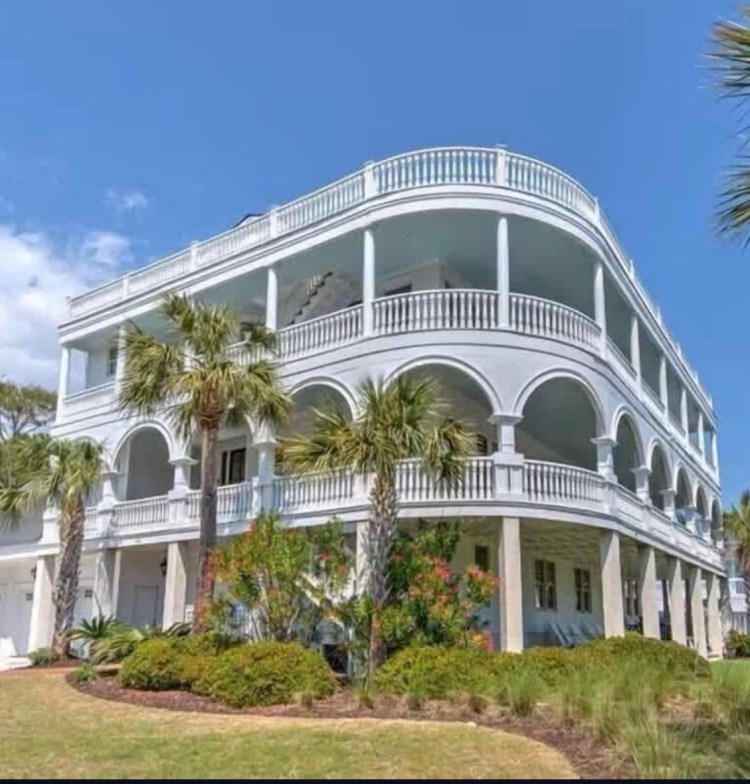
So we zoomed and emailed and texted. We struck down my Santa Fe idea and arrived at a beach vacation next to Charleston. Our kids said we should invite their Philly cousins so we threw it out to them. They zoomed and emailed and texted. Amazingly they all agreed to come as well. So 22 of us all agreed, remarkable!
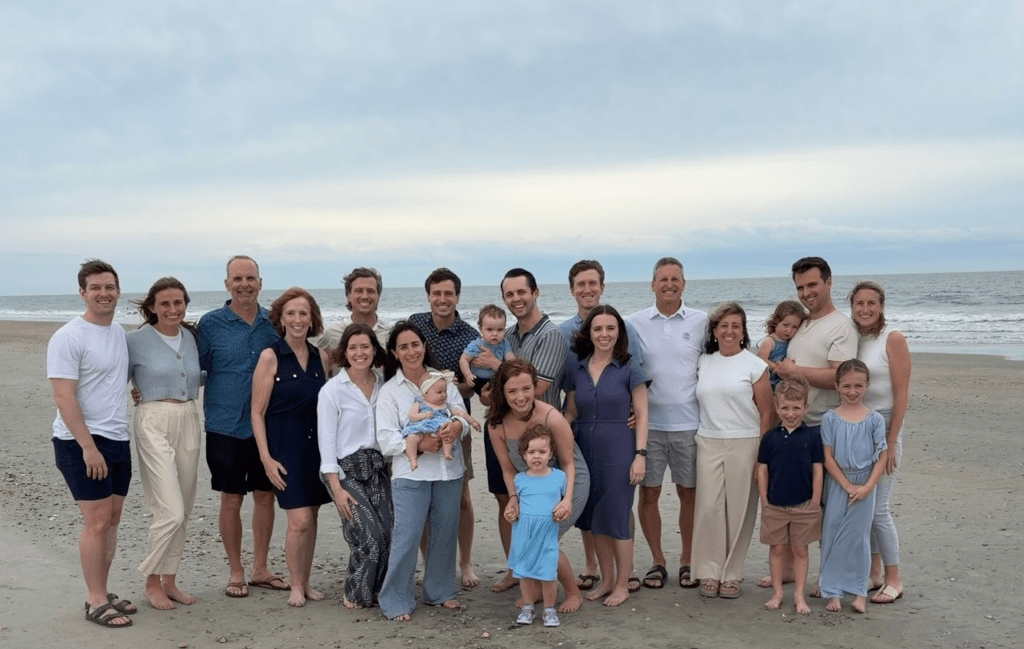
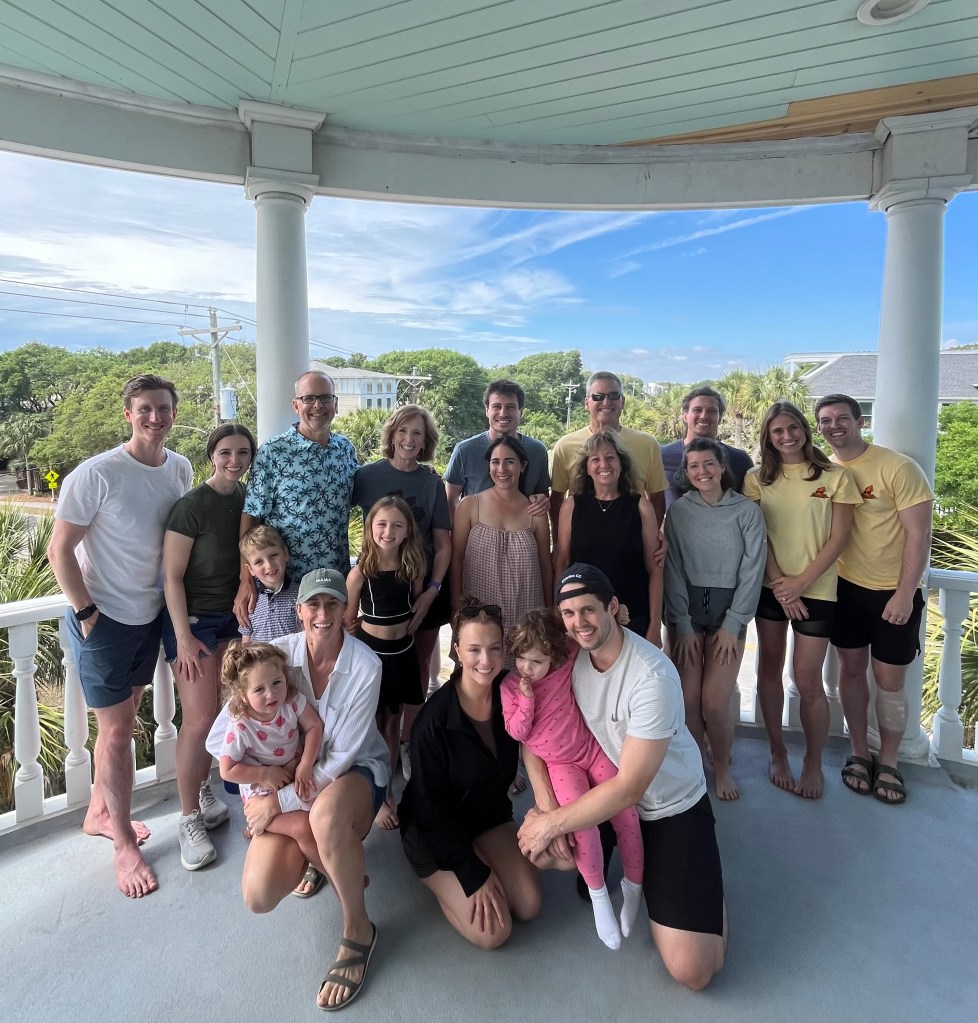
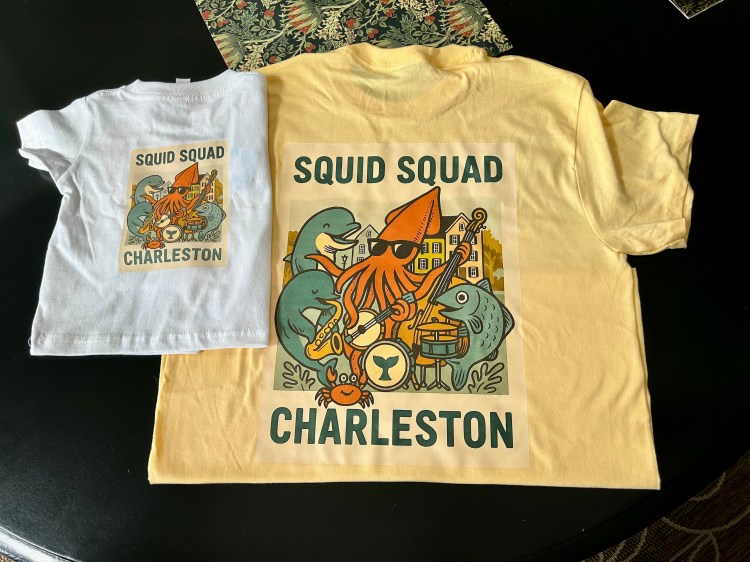
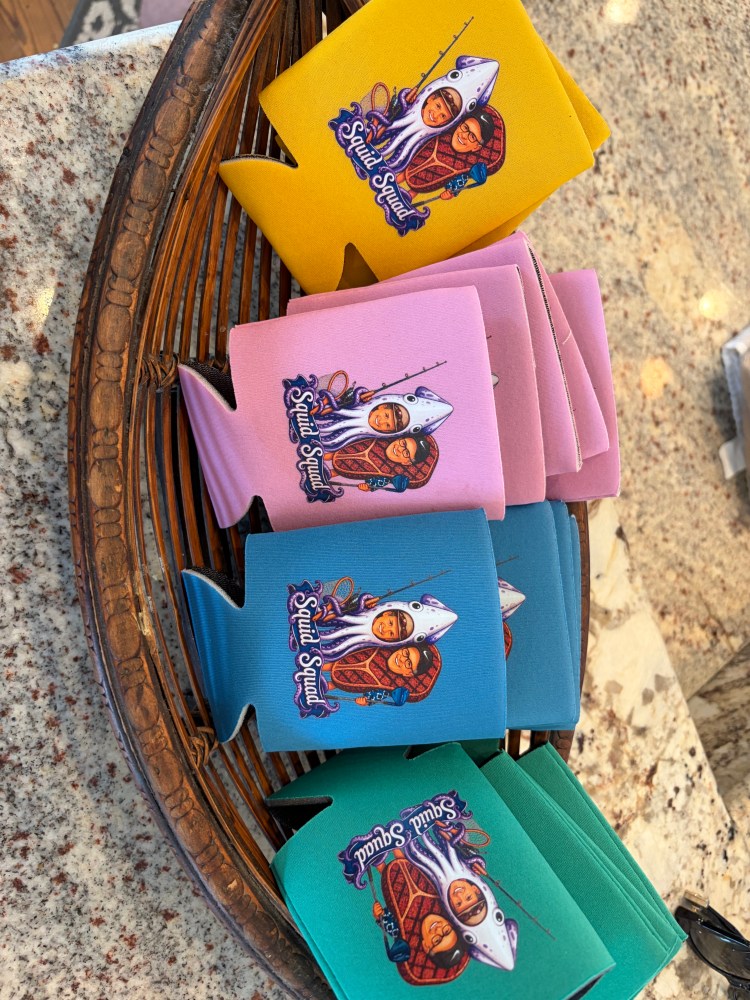
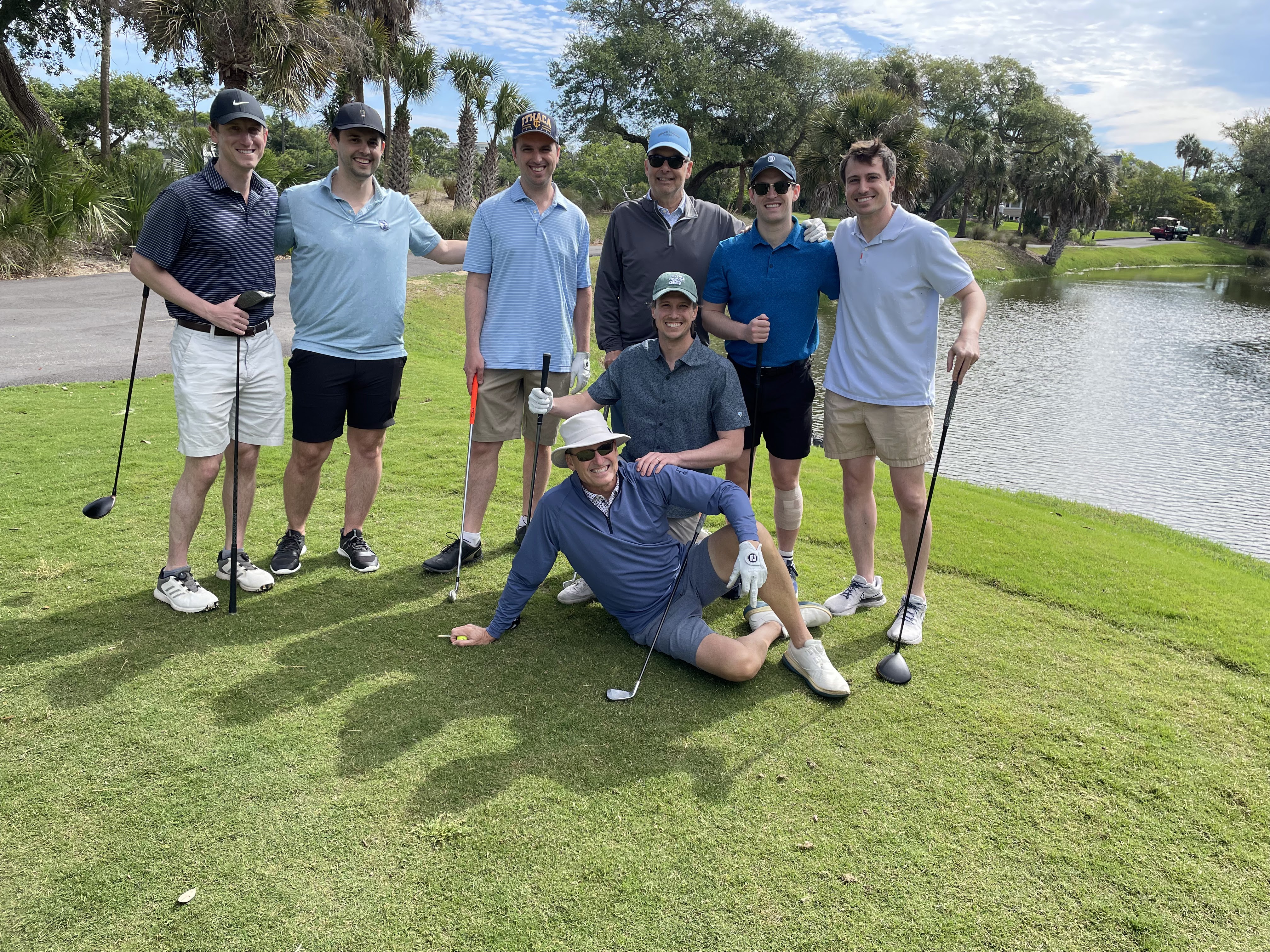
My sister in law, Nancy, found a giant house to comfortably fit everyone. My brother, Tim, organized a golf outing. Lori, figured out some games and activities. Nancy got everyone organized around making meals. Secretly, logos and T shirts were made by cool creative geniuses.
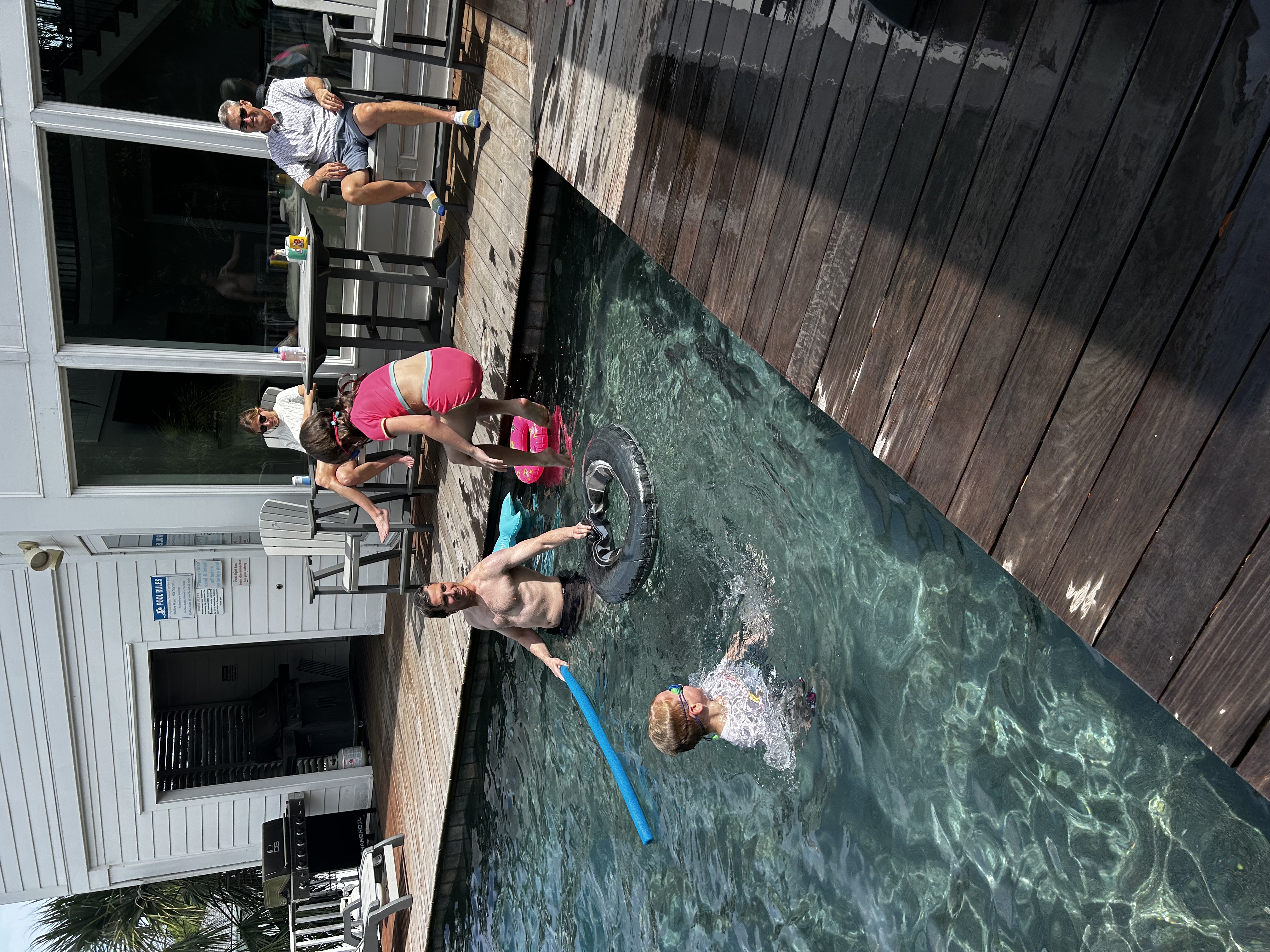
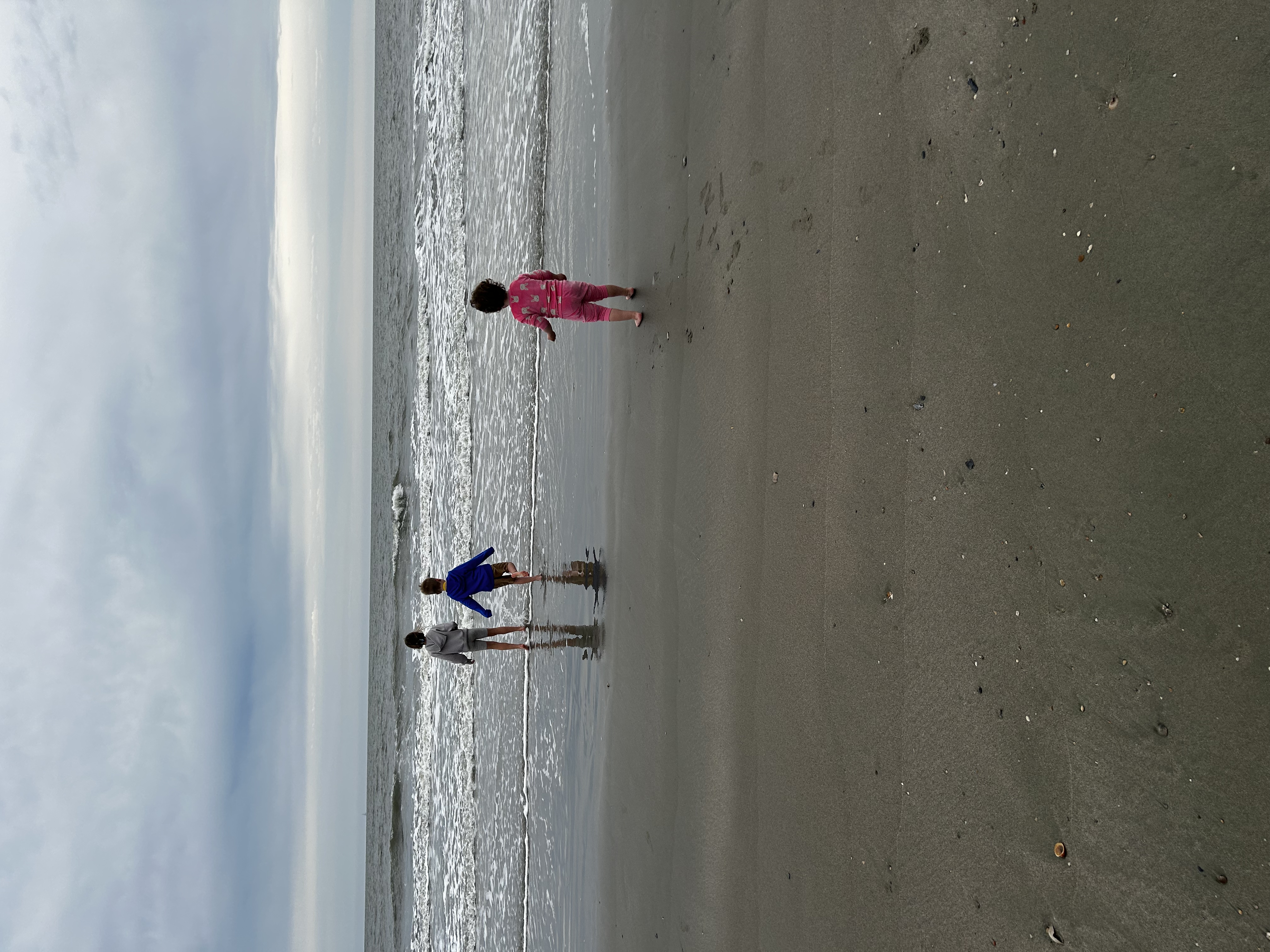
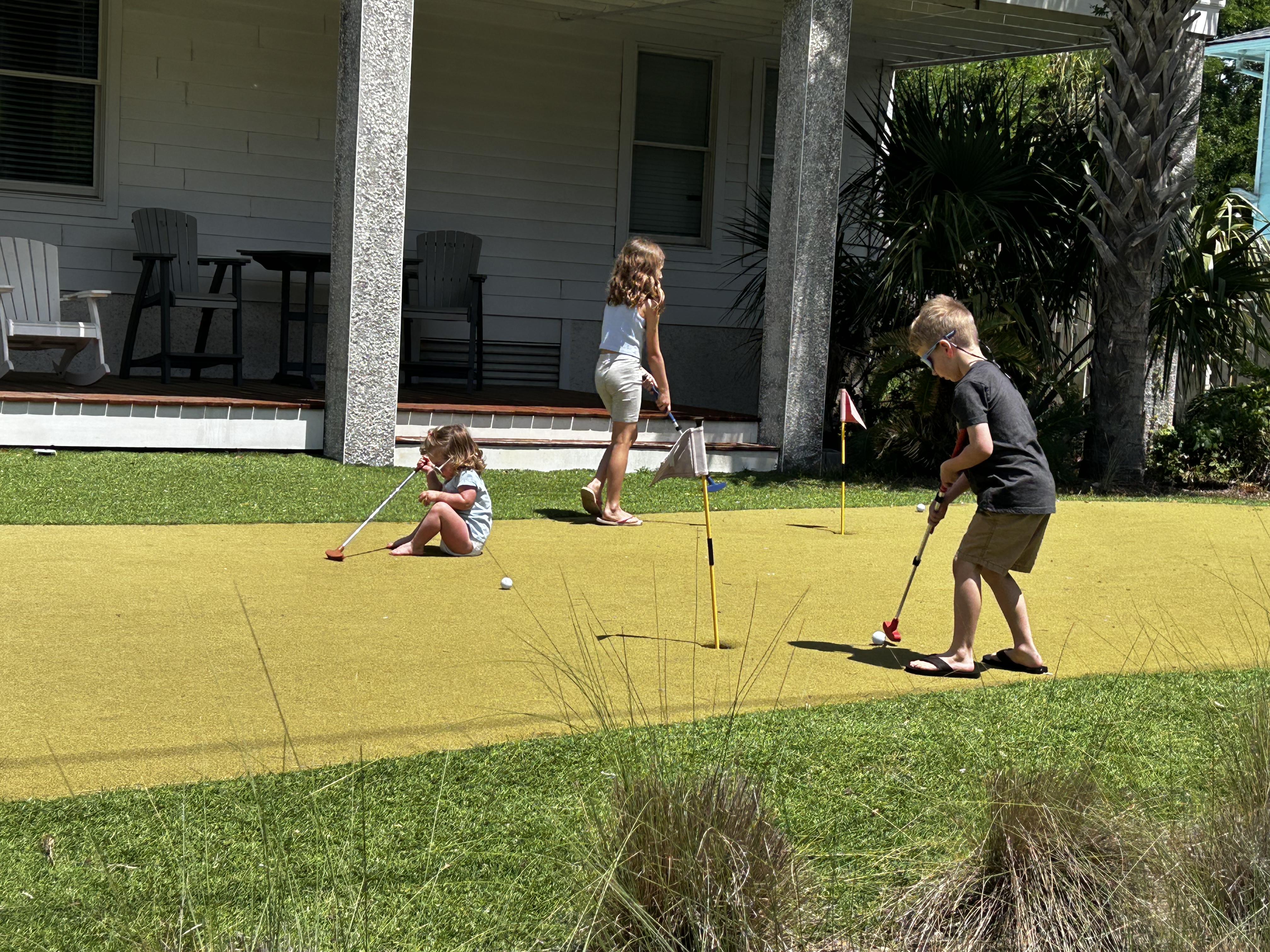
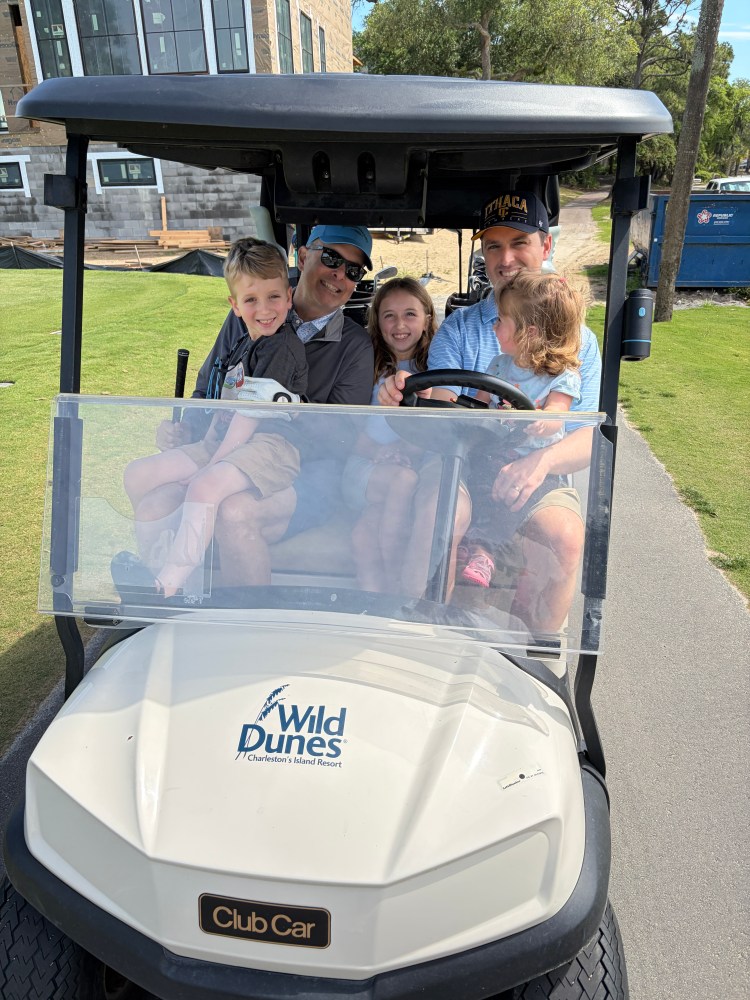
We had high times in the low country over Mother’s day weekend. Golf, beach excursions, Charleston excursions, barbecues, pool games, table games, musical play lists and very little drama. The worst injury was a scratched cornea. The grand children were highly entertaining. Got lucky and had great chefs cater a wonderful mother’s day brunch. It’s just so wonderful to be around really really good people.
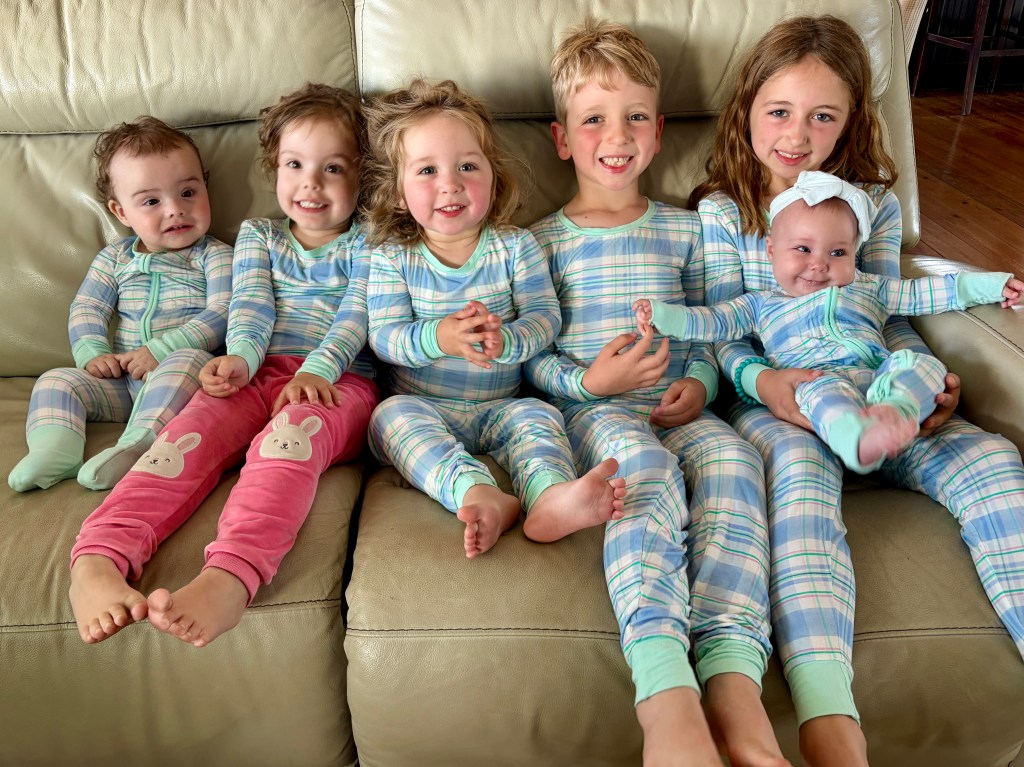
I said good bye to everyone and stayed continuing to Hilton Head. See previous blog post.
On a side note, If you decide you want to play the Heroes of Paris Island golf course on the way to Hilton Head, make sure you read the reservation fine print and complete the background check. The armed Marines at the guard house get frustrated if you don’t. And they really get agitated if you drive off the wrong way towards a restricted area. Maybe next year.
By Jim Dickens May 2026
Hot Hand
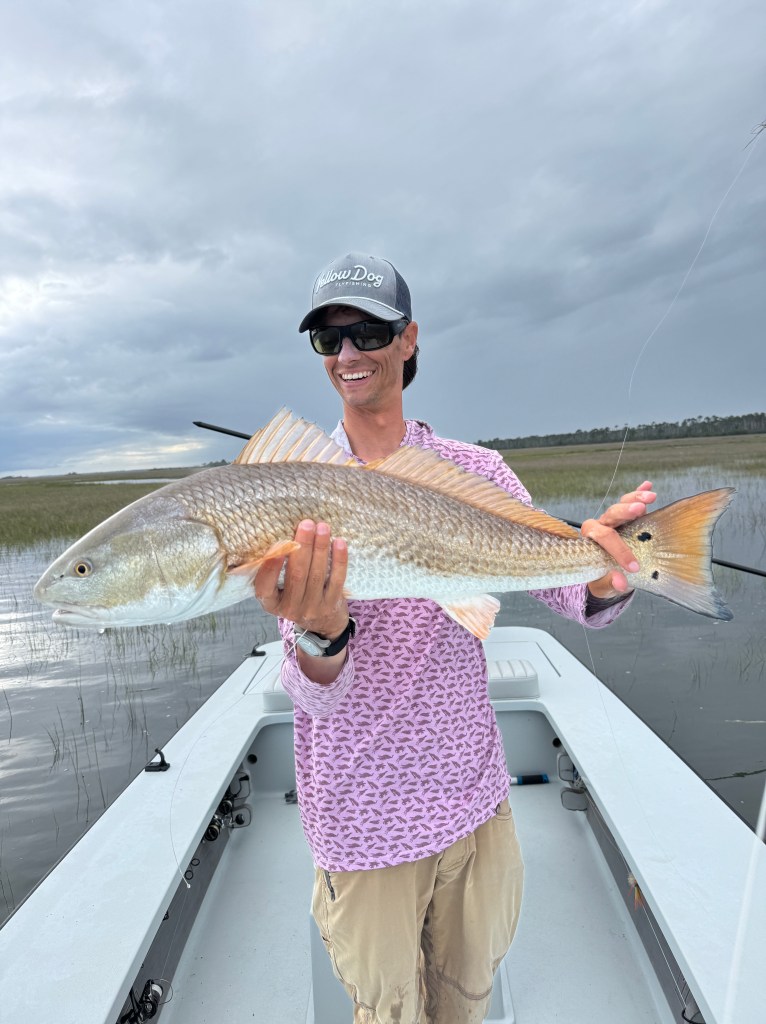
I worked at a relatively fast growing new company. We had growing pains getting our company processes developed. During that period we had a saying “doing the easy things was hard”. Luckily, the company grew out of it and started performing. It reminded me of my hobbies this spring.
Over the winter, I spent time hitting golf balls in a simulator. Disappointingly, the first golf rounds of spring were poor with high scores and lost balls. I went to our Hilton Head college buddy golf tournament, the Red Stackloaf Annual Invitational with low expectations.
It is better to take second than first at the Stackloaf as the trophy doesn’t fit in normal luggage. The rare exception where second is the coveted place. In the warm up rounds, I played well and gained some confidence. At the tournament I played well. However, in addition to the Stackloaf, I played matches against two of my group and had to continue playing as well as I could to the end of the round.
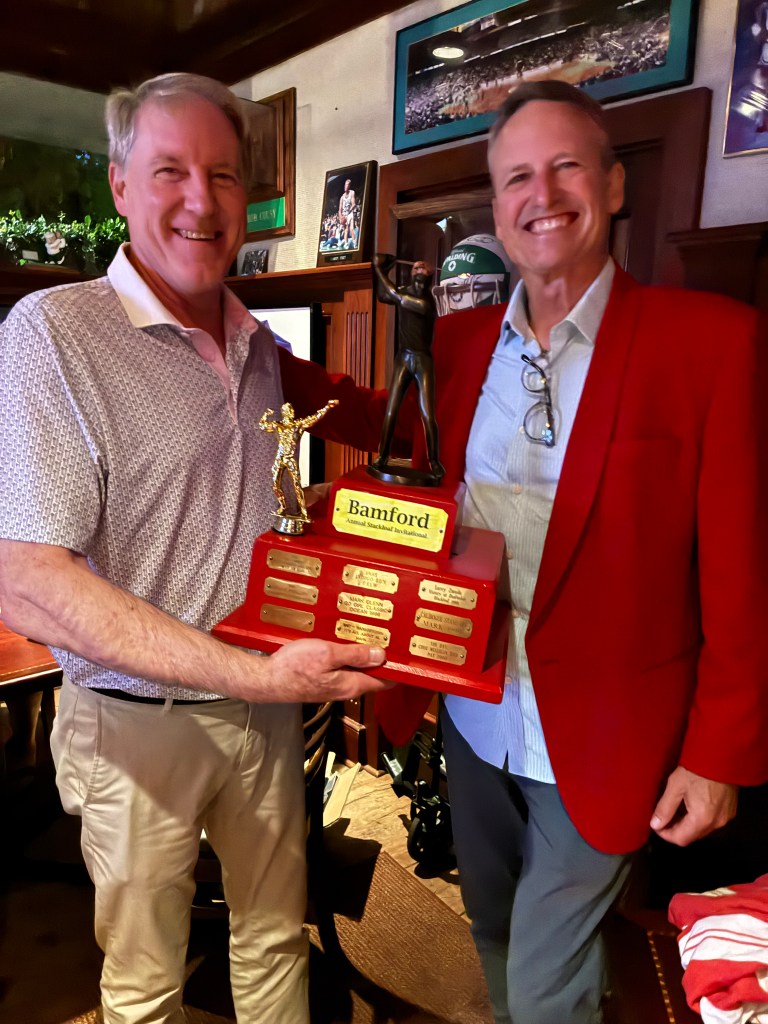
So I ended up with the Stackloaf trophy having played one of my better rounds and dealt with the inconvenience. And golf became easy. I returned home and won lots of bets at my home course. I played some golf with my neighbors and fleeced them for a change. I played into a multi match tournament gaining a high seed. The easy things were easy.
Of course that has now changed and I’m grinding away again and my handicap is rising. Unlike my old company the easy things have become hard again. It is nice to have the hot hand once in a while.
Jim Dickens April 2026
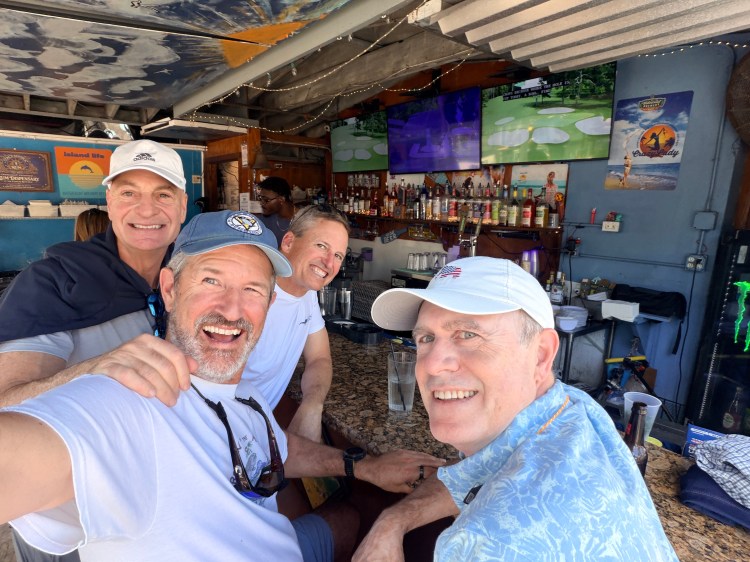
Sheryl Crow sang, “It’s not having what you want, it’s wanting what you’ve got”. And Jim Buffet sang, “I’d rather die while I’m living than live while I’m dead”. The quotes make us think about how we live our lives. Well I led a trip to Key West with three good long time buddies to fish and it really got me thinking.
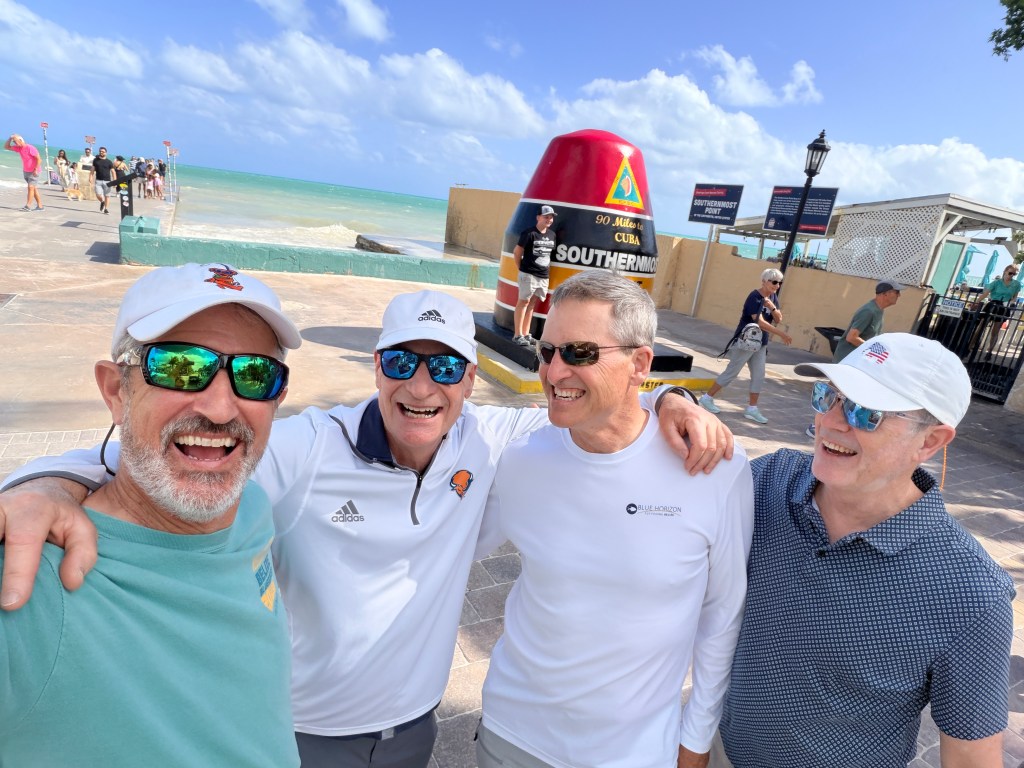
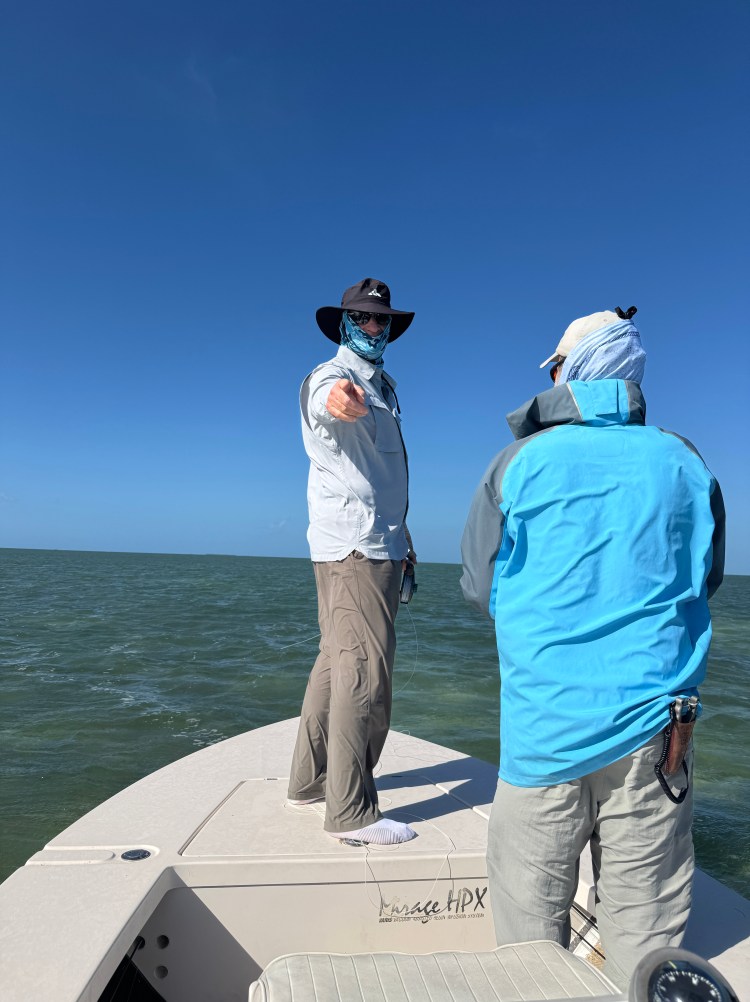
I ignored my earlier blog advice on not sending good money after bad. Instead, we all went to Key West despite the poor weather report and the warning from our fishing guides. The fishing was horrible and we cut days short to get out of a cold steady 30 mile an hour wind. The result was a lot of time to walk around Key West which has an infinite amount of live music, bars, restaurants and t shirt shops. It also has a crazy mix of cruise ship vacationers, international vacationers, RVers, snow birds, corporate drop outs, private boat people, workers and a few fishermen to observe.
There are a lot of lifestyle choices. Some are boisterous enjoying the music, others are busily exploring the local shops, there are the usual check me out in Key West social media types and a few exhibitionists wearing costumes or nothing. There is lots of smoking, drinking, walking, bike riding, chilling, sailing, snorkeling, and dining available and on display.
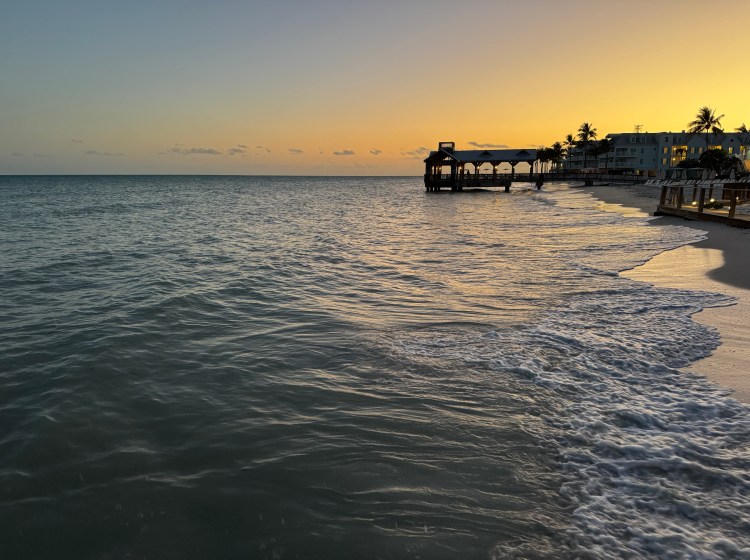
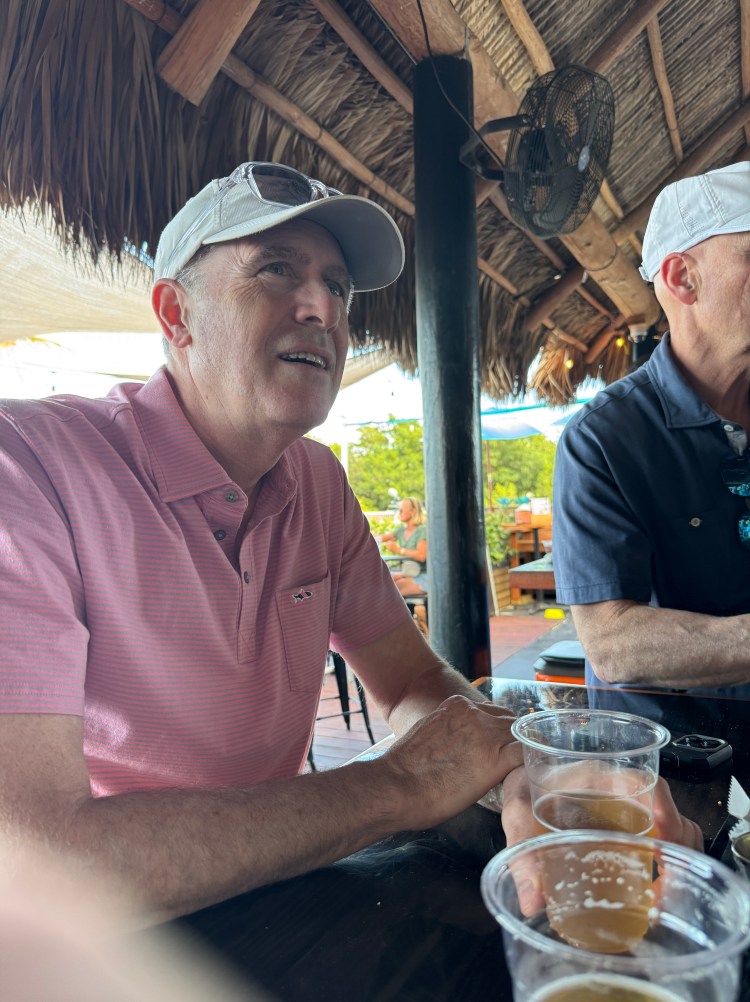
I like a majority of the US population but a shrinking segment drink alcohol. It will shorten my life. My buddies and I watched the Masters sitting outside at a fun bar, walked to the southernmost point in the US, discovered guitar playing Cliff Cody with his beautiful voice and had dinner as the sun set every evening. Alcohol was a great social lubricant and I enjoyed myself immensely.
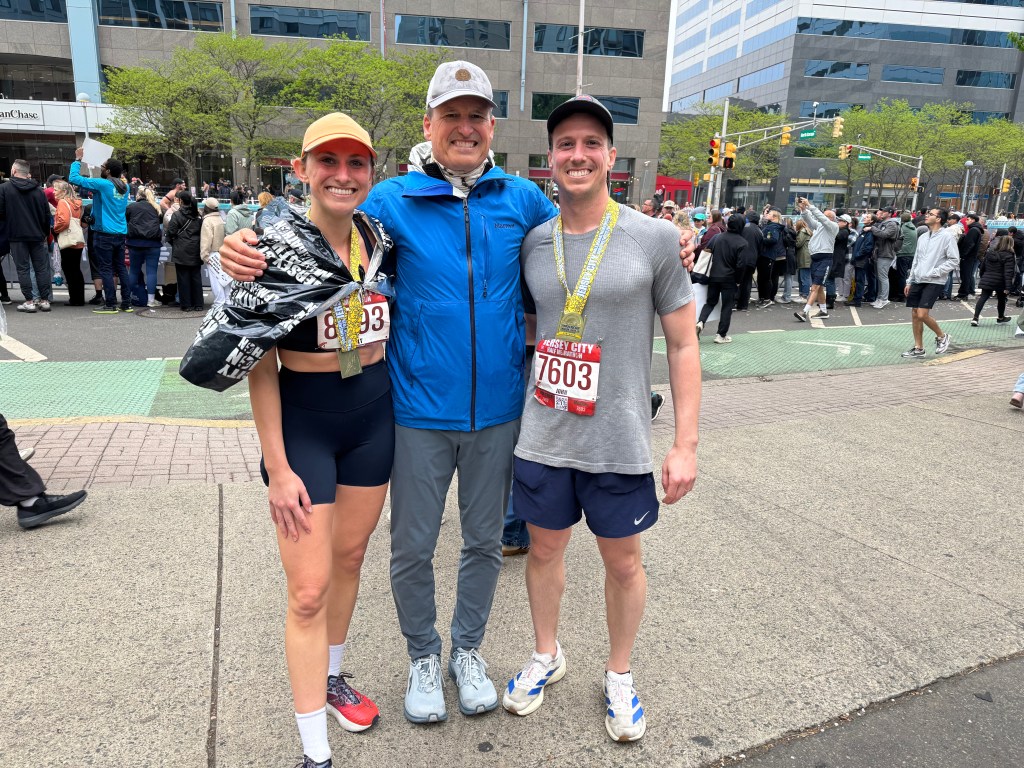
I left Key West to join my family and see my daughter paced by my son run a half marathon in Jersey City. My daughter wanted to run a personal best so she followed a strict 4 month regimen of exercise eschewing alcohol and eating well. My son, to be a good pacer, did the same. Race day was a success with good pacing and a personal best. It was joyous not just for my son and daughter but the whole family. I felt inspired.
Despite the horrible fishing, it was a great experience. I am no guru so will not dispense how to live advice. Trips like this help you seek your own counsel on living life and like I said it get’s you thinking.
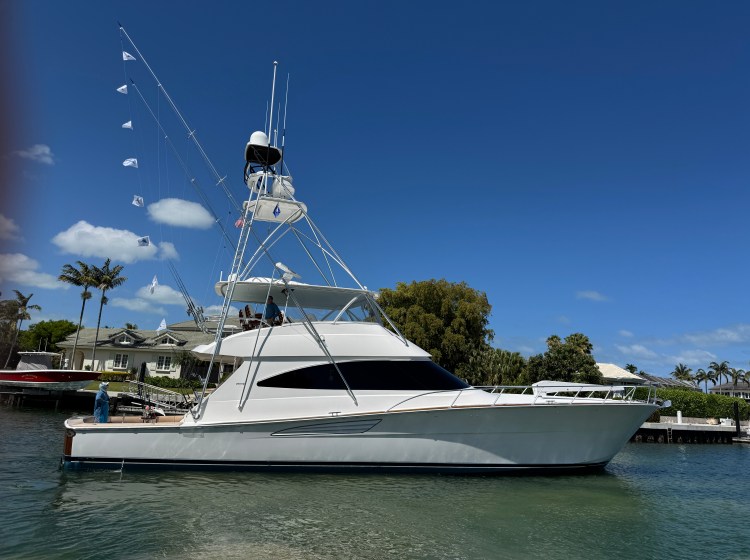
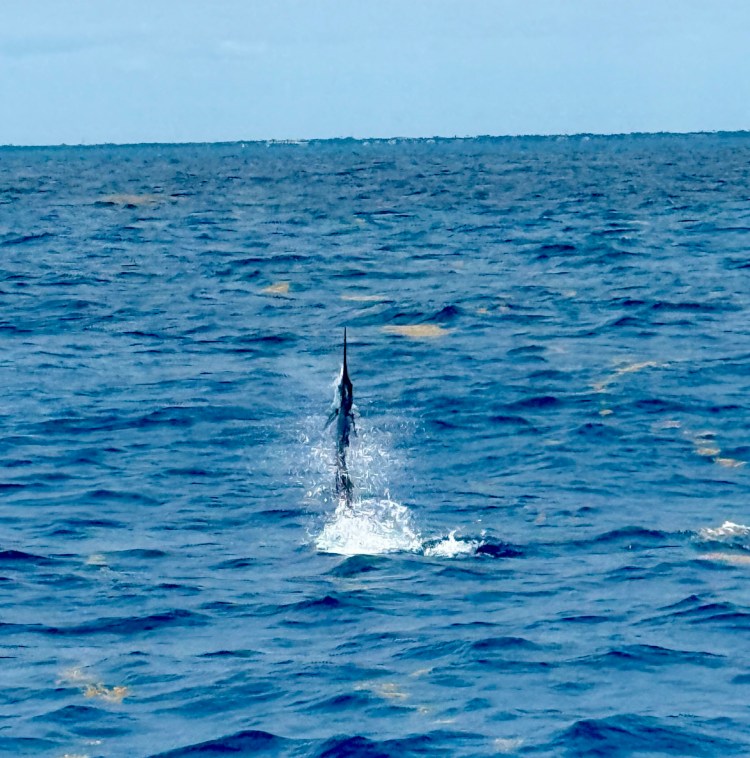
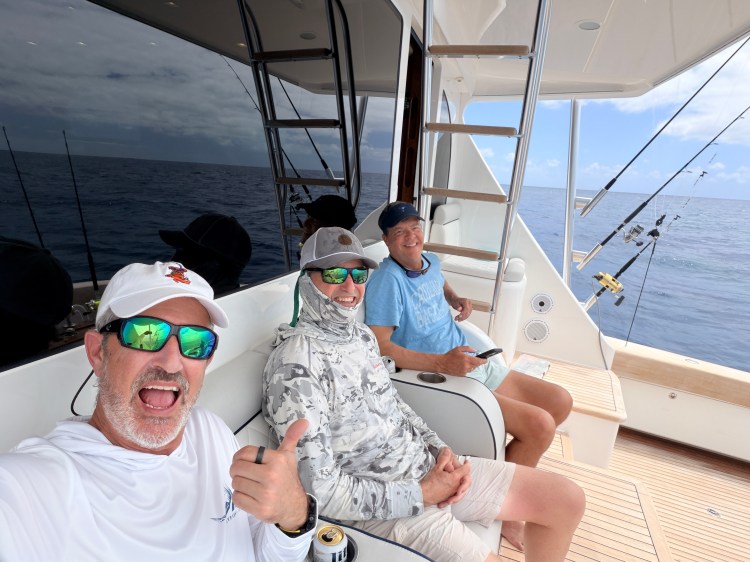
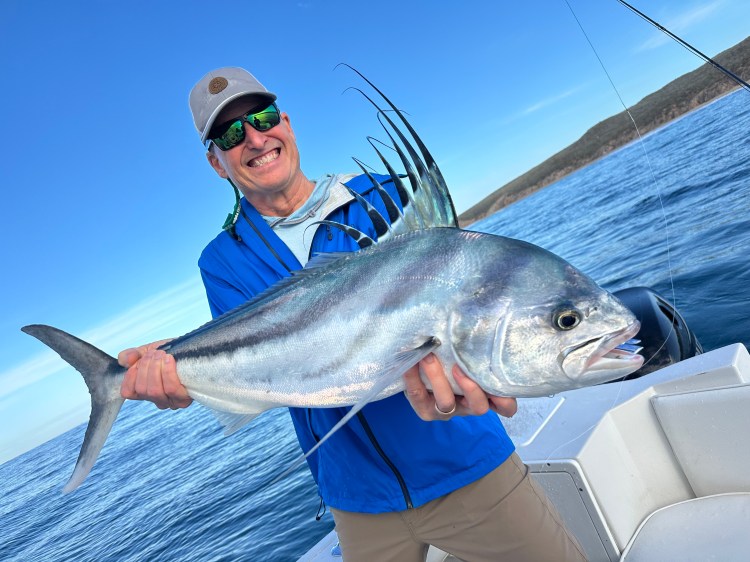
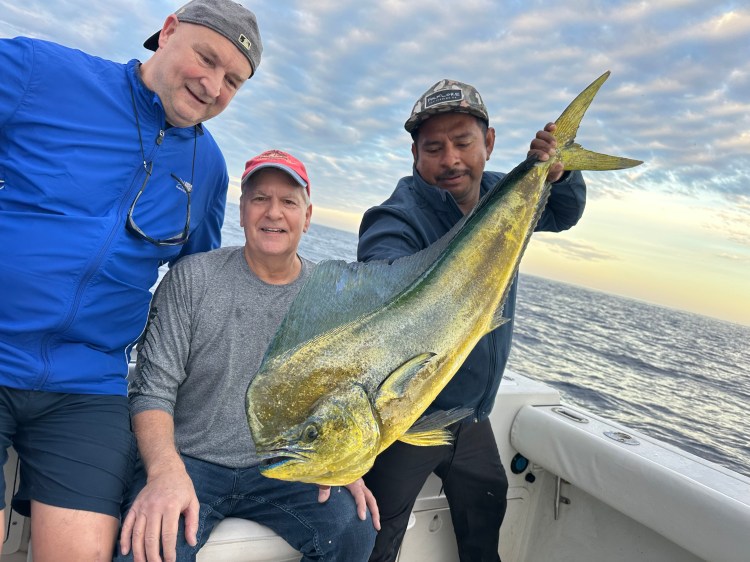
PS Between Key West and Jersey City, Pete and I stopped to see a new friend and go kite fishing on his ocean going boat. He generously and kindly took us out and educated us. We enjoyed his company immensely and learned a lot. We set the boat record of concurrently catching 5 sailfish. More to consider.
Jim Dickens April 2026
My niece, Kirsten, came to stay last weekend. She’s 40 years old and said it was awesome. In her late 30’s she dreaded that milestone. It turned out she was doing great and surprisingly it was freeing to be 40. Sometimes you don’t even see the milestone coming. When I turned 55, I realized I was closer to 60 than 50 and middle age was distant in the rearview mirror. So 55 was the milestone that hit not 50 or 60.
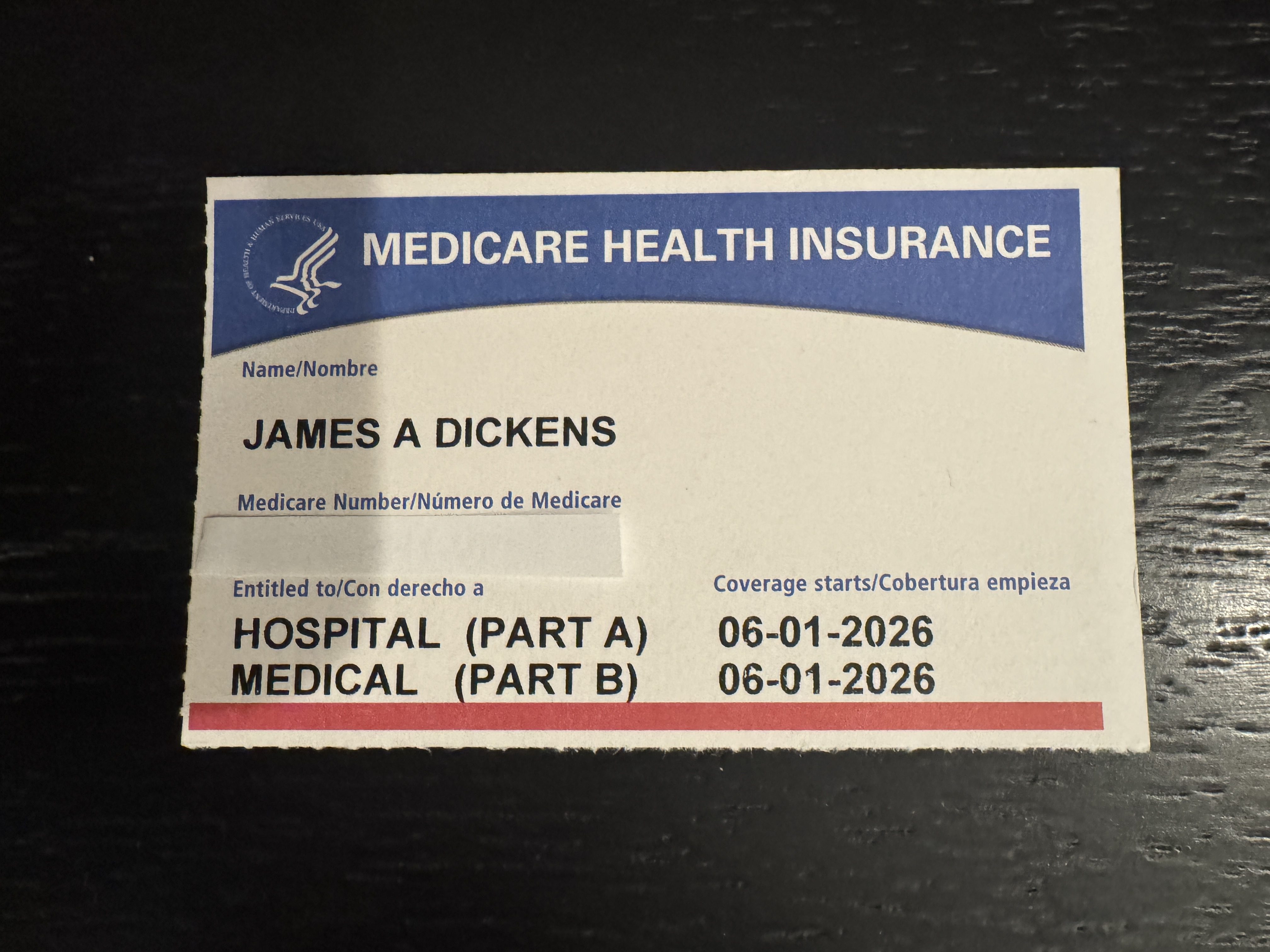
It’s interesting how a milestone can just appear and bring out strong emotions. Well recently I just had one and it wasn’t positive. I received my Medicare card in the mail. It hit me that I am no longer just older but old.
You can say, age is a state of mind. Or just keep moving. Or there are still many quality days left. But, the measurements don’t lie. Physically, I am much weaker, slower and less stable. For medicare people who say that isn’t true for them, well I bet they didn’t try too hard in their youth. Mentally, I’m not measuring much but if I did, I wouldn’t be surprised to have a similar decline.
Not all milestones are age related. I think of the day my oldest child was dropped off at college or the day my youngest got married. Those milestones hit unexpectedly hard emotionally. I am often surprised when they hit because I haven’t heard from others about it or haven’t thought it through.
It will be interesting to see how I deal with turning 65 and whether I find a freeing outlook like my niece.
Jim Dickens March 2026
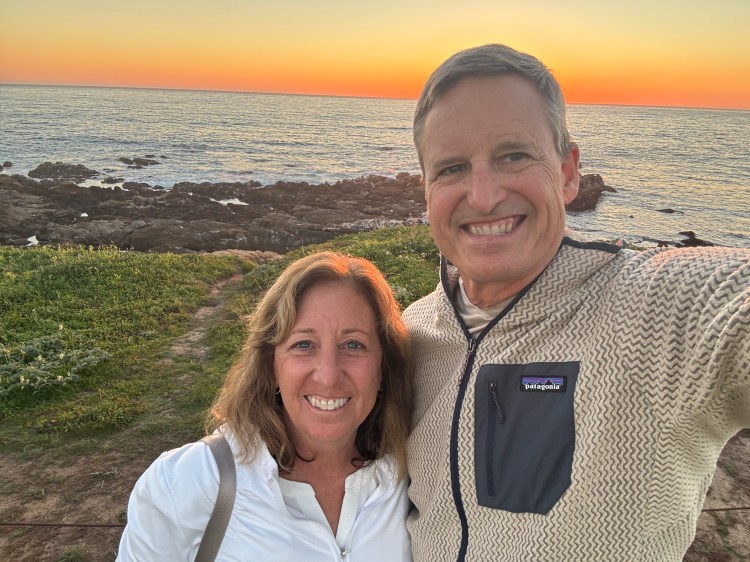
Sustainability, while top of mind for me, makes my friends fall asleep when I babble about it. Recently, I to saw the benefit of sustainability practiced on a trip with Lori down the coast of California. The warm sunny weather followed us from Mexico the previous week making the coast more pleasant than usual.
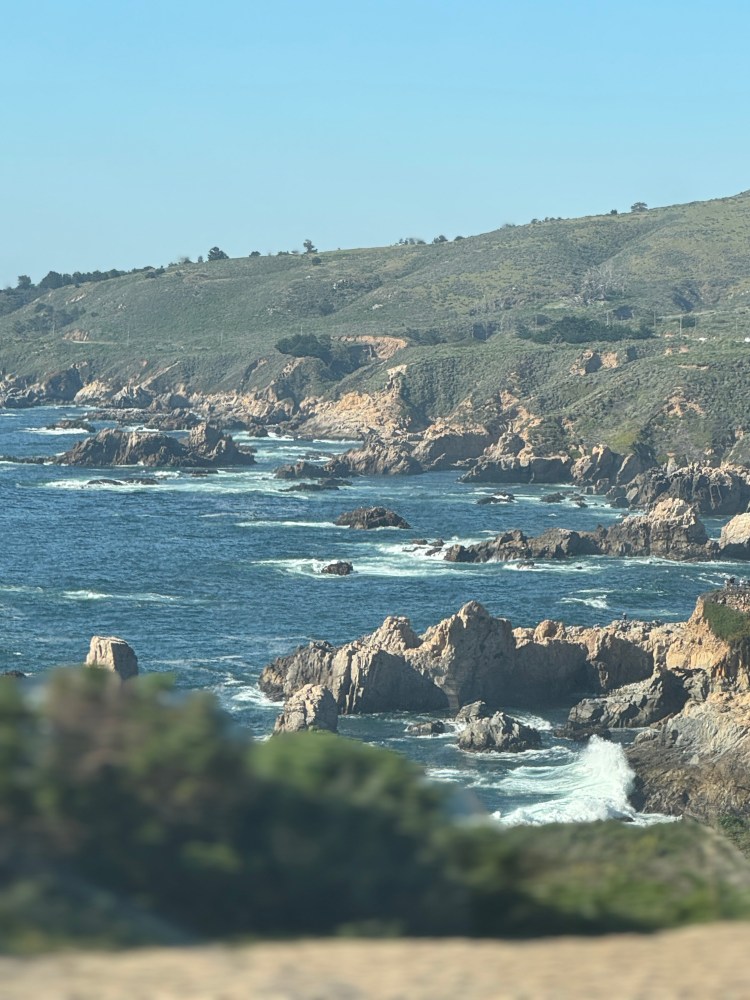
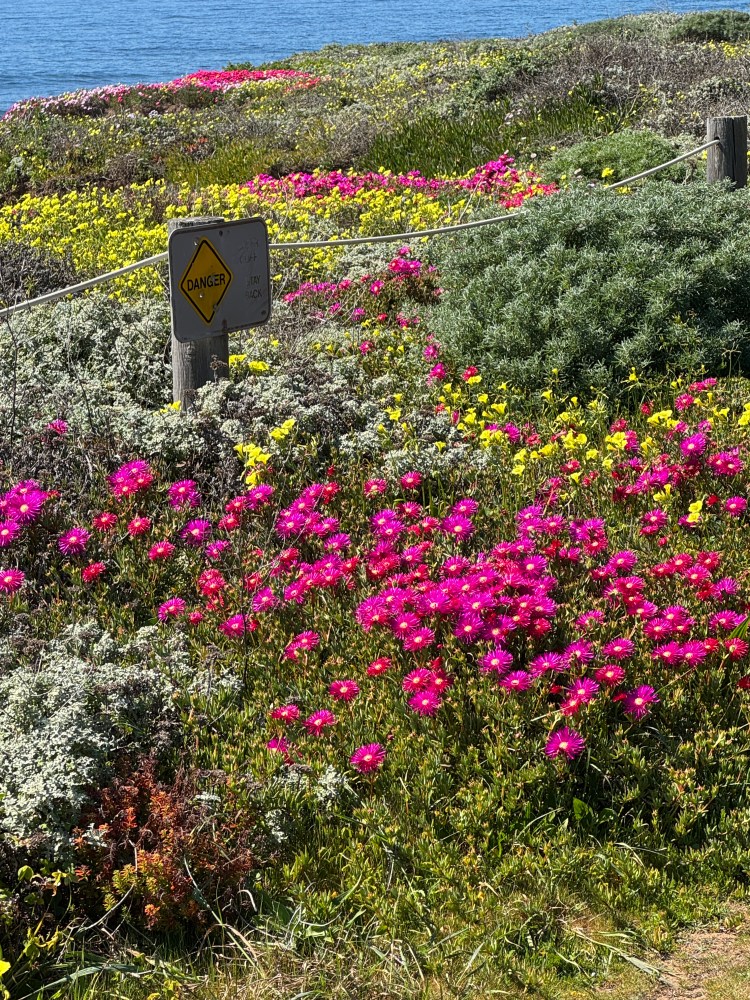
We landed in San Francisco and visited with new friends in Atherton then started our trip down the coast to Cambria and back. There is a slide show of nice pictures below. Just go look at those if you don’t want to hear some of my comments on the success of sustainability witnessed.
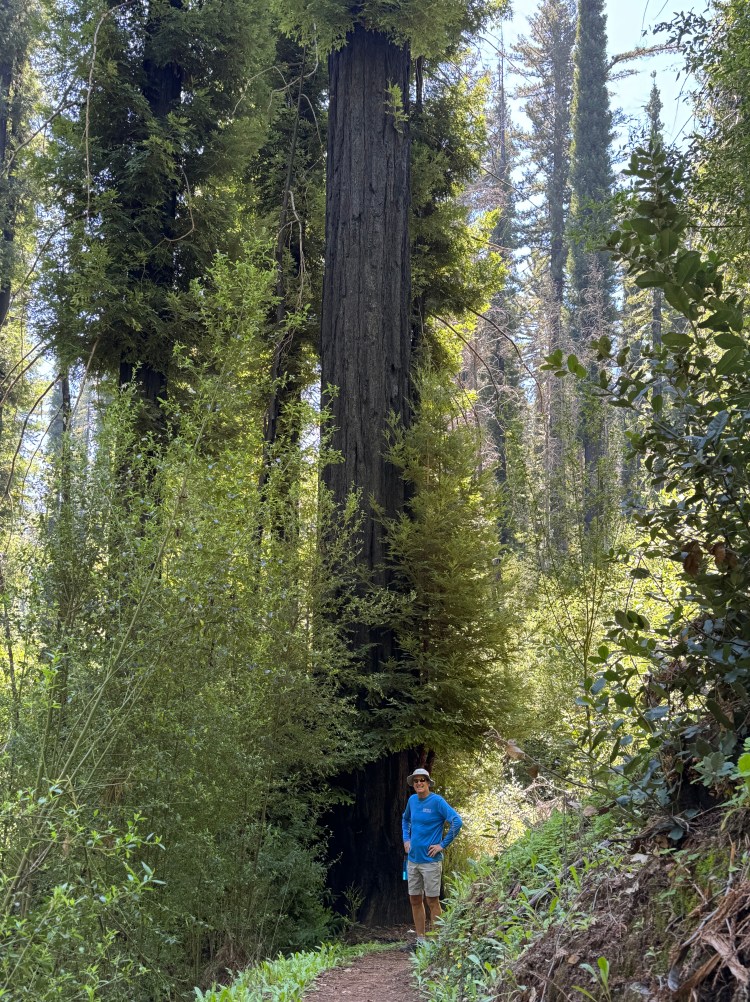
Lori and I hiked in Big Basin Redwood State Park. Three years ago it had a large forest fire. Because the redwoods have been protected the forest is recovering. Redwoods are pretty fire resistant and survived. They stopped bad erosion an allowed a normal quick recovery. Had the area been clear cut the land would still be as desolate as when it first was cut and the surrounding area polluted with erosion. Good sustainable forestry leads to better long term timber yields and a healthier environment.
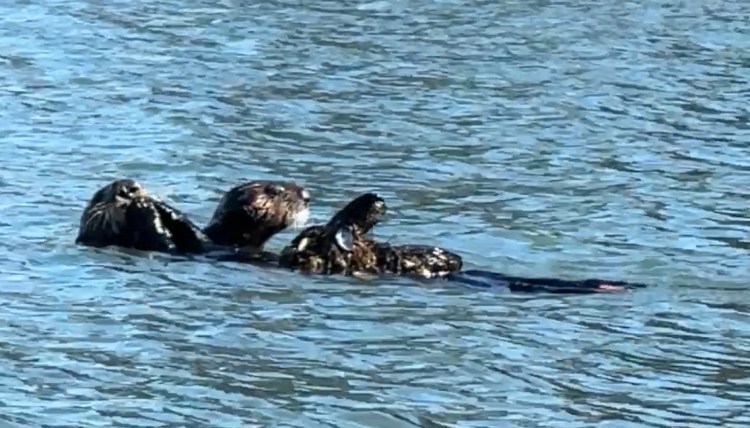
From Big Basin, we kayaked in Elkhorn Slough, did the Pebble Beach 17 mile drive and hiked in Point Lobos State Park in Monterey Bay. We saw lots and lots of sea otters doing cute sea otter stuff. About a hundred years ago the otters got some protection and about fifty years ago they got comprehensive protection. Down to a population of 1,000 a hundred years ago to 3,000 fifty years ago to 135,000 to today. The otters have caused a come back of kelp forests along the coast. The new kelp forests have increased all marine life making a more productive fishery.
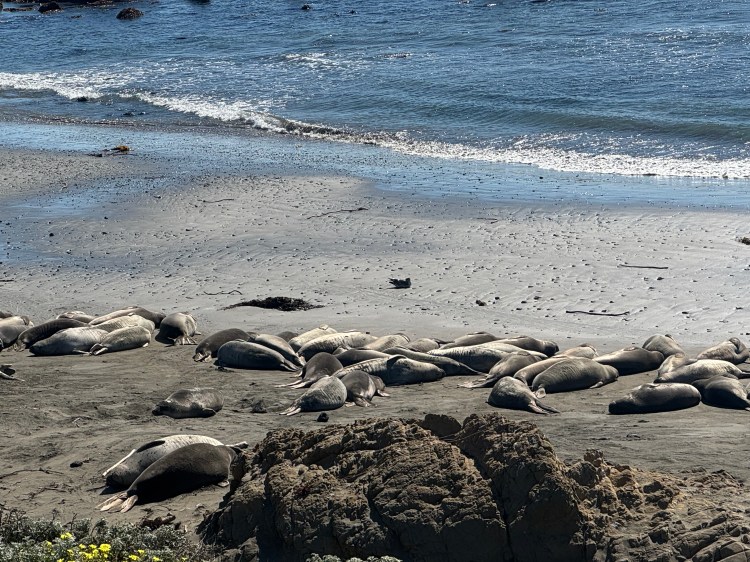
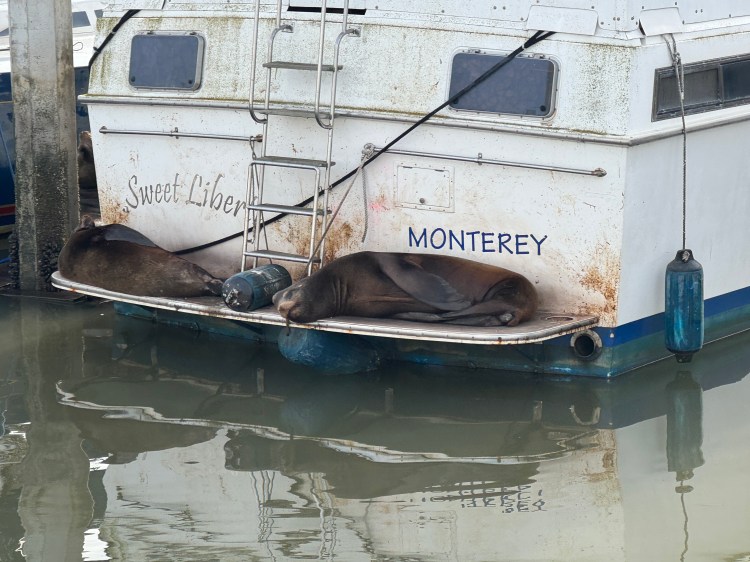
We drove further down the newly reopened sections of Pacific Coast Highway past Big Sur down to Cambria. We got to see lots of sea lions, harbor seals, and elephant seals on beach, on the rocks and bobbing in the Pacific. Protection starting about 50 years ago along with the otters has lead to big increases in populations which has caused increases above and below in the food chain.
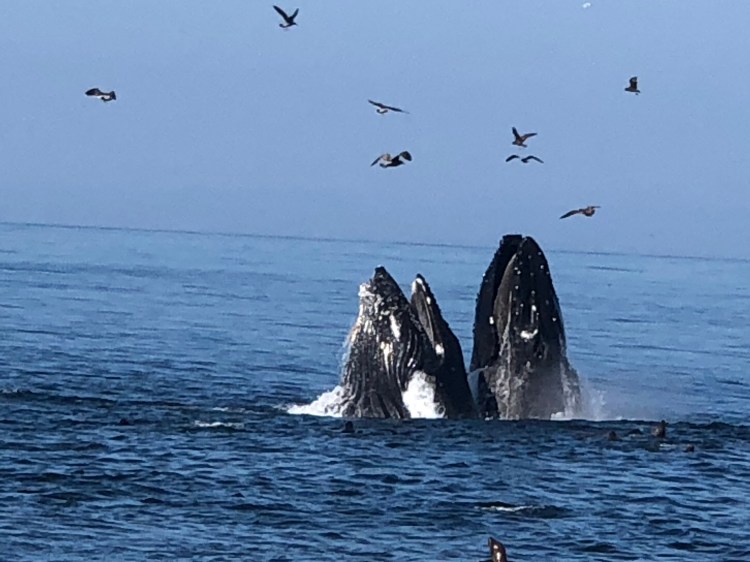
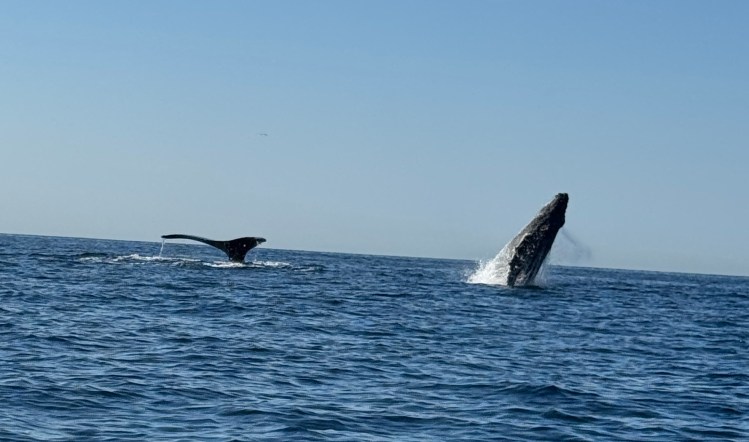
On the way back up the coast we sailed on a whale watching trip one morning looking at humpbacks and gray whales. The humpback and grays have had big come backs from just a few thousand to ninety thousand. Their return has improved the fisheries in Alaska as well has California by speeding up the food chain cycles. With marine mammal protection and coastal marine preserves the sea has come to life. A recent study around the Channel Islands indicates that while banning fishing in the preserve the area’s overall catches have improved. They think the preserve incubates and provides abundant fishing in the surrounding area. It shows how being sustainable can increase food supply in the long term.
Its not all happy news. On the drive temperatures were 20 degrees above normal reminding us that global warming is here. Recently, the gray whale population has gone from 27,000 to 13,000 in just a few years. It is believed the lack of arctic sea ice has disrupted the food chain causing the gray whales to starve.
Thanks for reading my thoughts as we thoroughly enjoyed the California coast.
Jim Dickens March 2026
The cliche’ phrase “don’t send good money after bad” is often ignored by business people. They are sure their idea is good and just a little more funding will turn it around despite all indicators saying loser. Having retired I was wrong in thinking those days were over.
For the past several years we have gone to Maui, visited with resident friends and vacationed with friends and family. That was again the plan this March. We reserved lodging, a rent a car, and bought plane tickets. A few weeks out the forecast looked like rain. But we assumed it would be the usual afternoon cloudiness with a short rain burst. Well it was not true.
The Sunday before the Wednesday we were supposed to leave we texted with our resident friends. They said the weather coming was of the worst kind that some call the Kona winds. Monday, despite my best efforts, canceling our lodging and getting a refund was not going to happen. What to do?
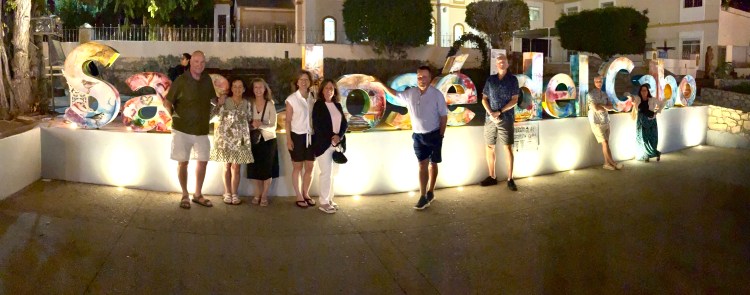
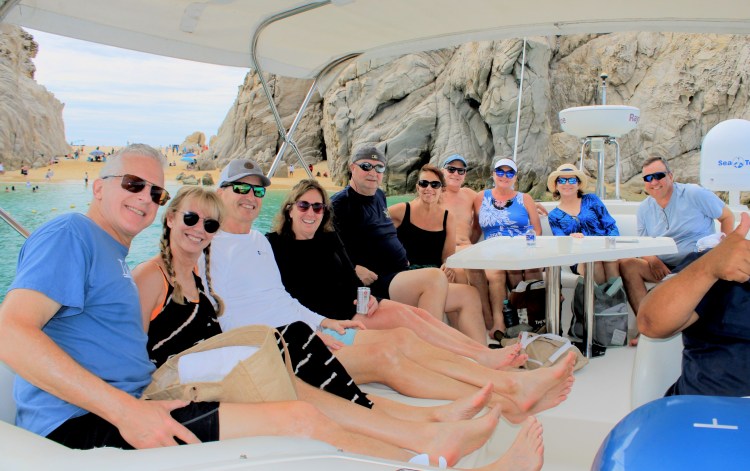
Well luckily remembering the cliche phrase we cancelled anyway and ate the cost of going. Going to watch windy Hawaii rain all week in a small condo was not a good way to spend time and money. So we pivoted on Tuesday and went to visit friends in San Jose Del Cabo, Mexico.
We had great warm sunny weather and spent lots of time outside. No regrets and a reminder on good decision making even for lower stakes.
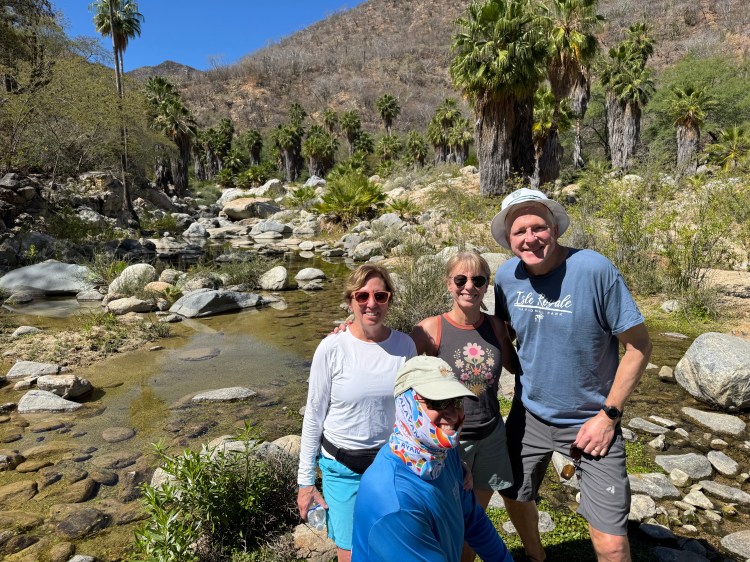
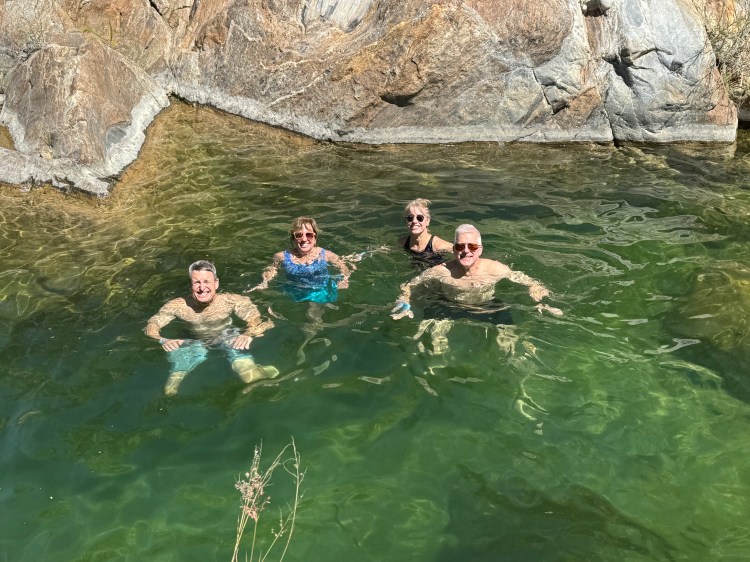
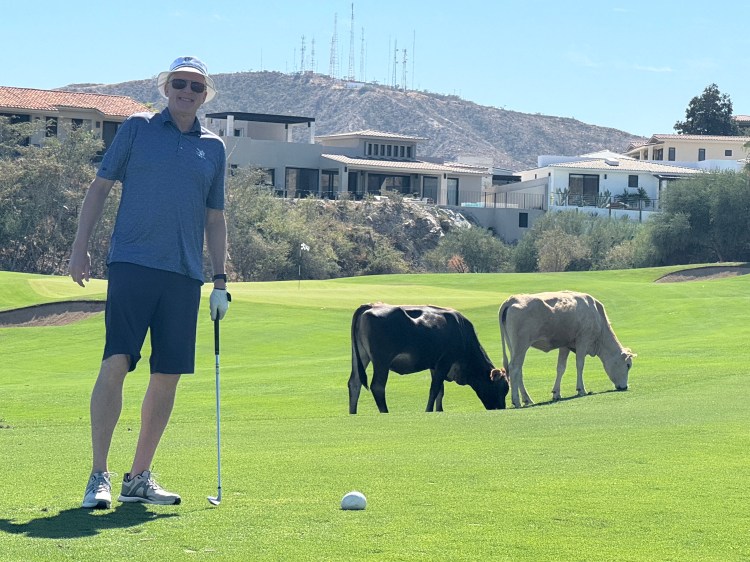
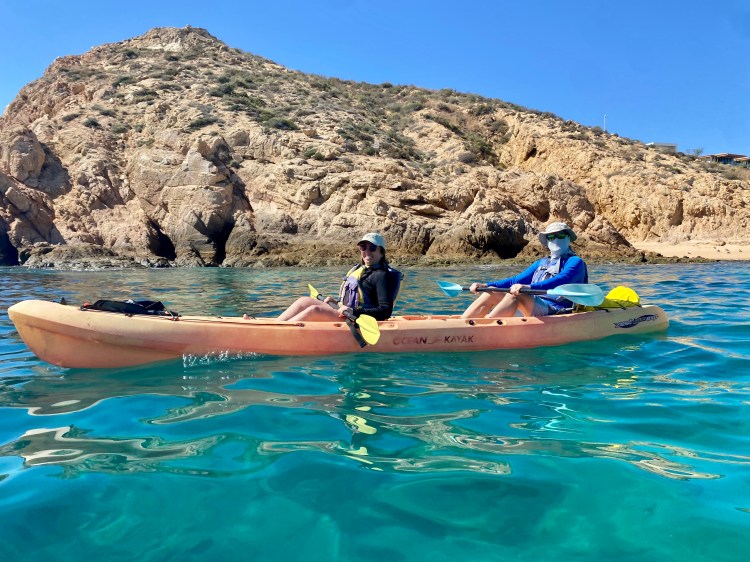
Here’s a slide show of the warm sunny correct choice we made.
By Jim Dickens, February 2026
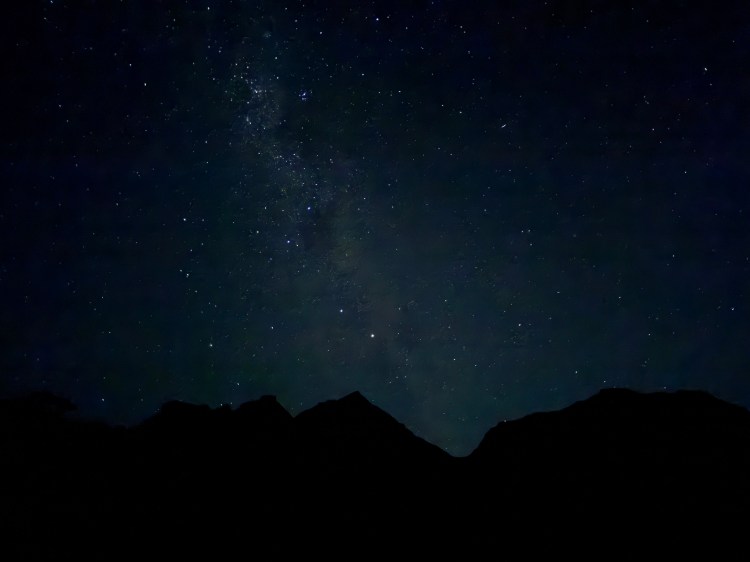
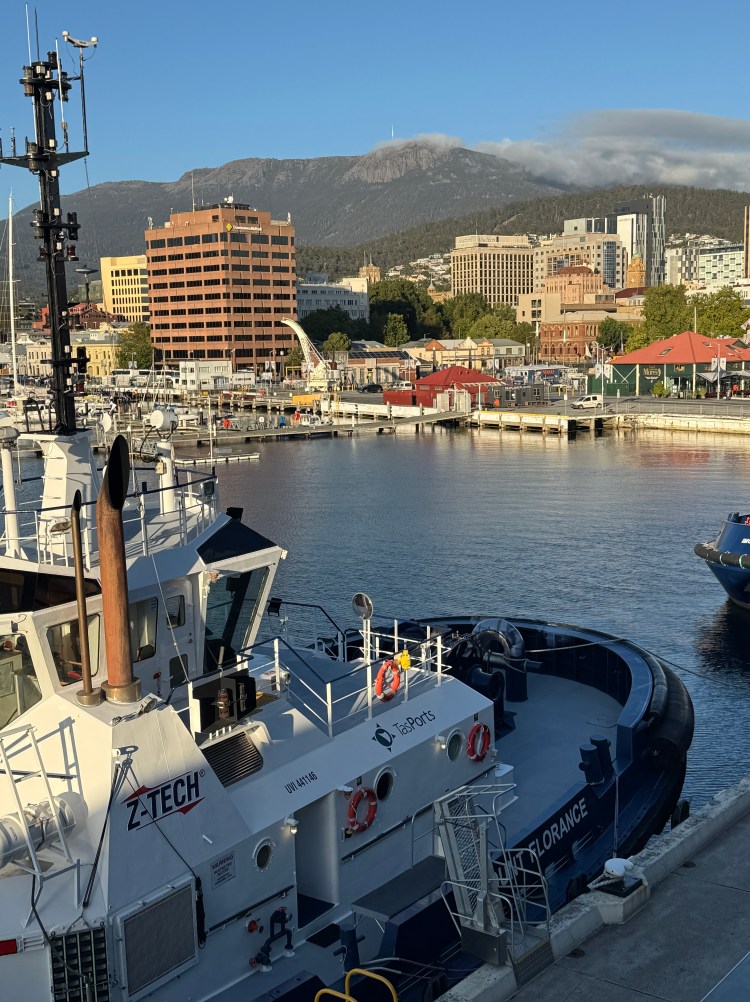
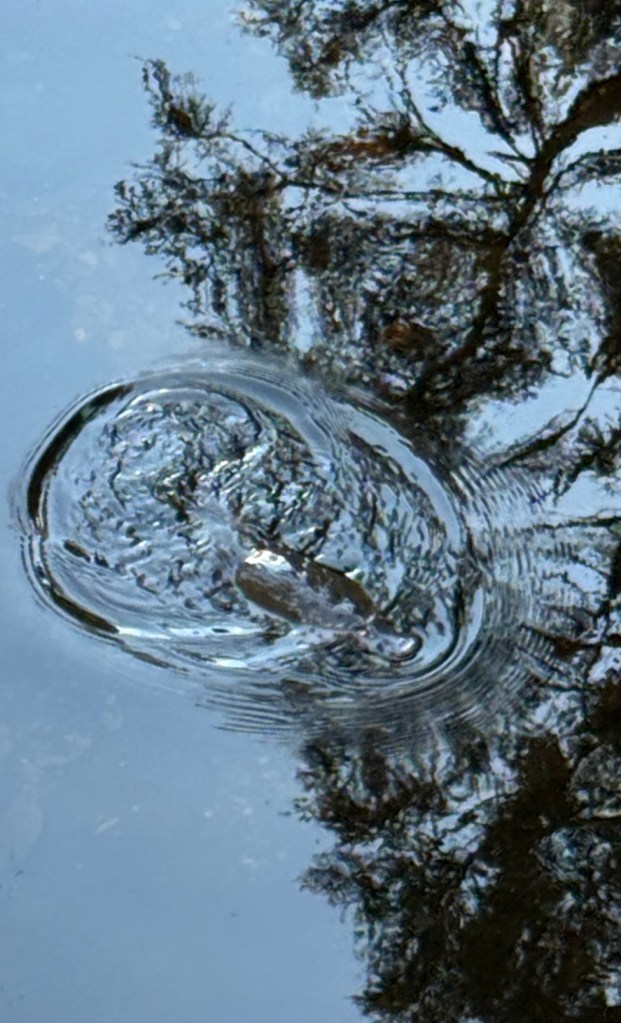
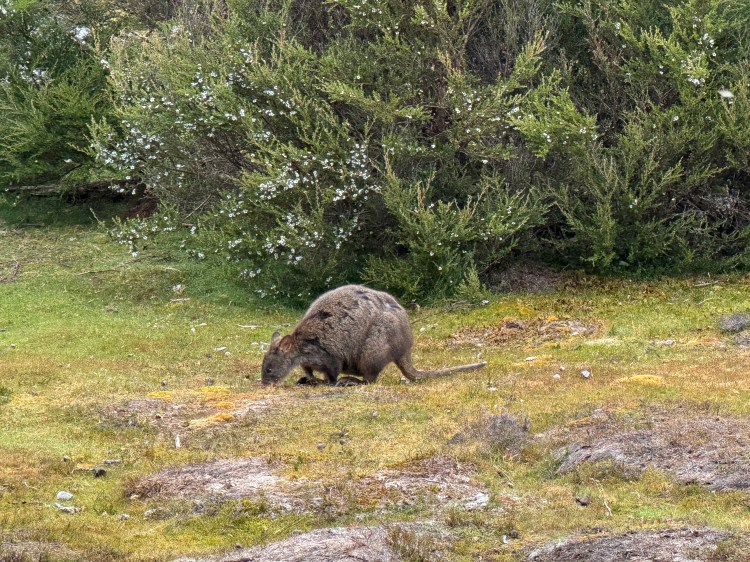
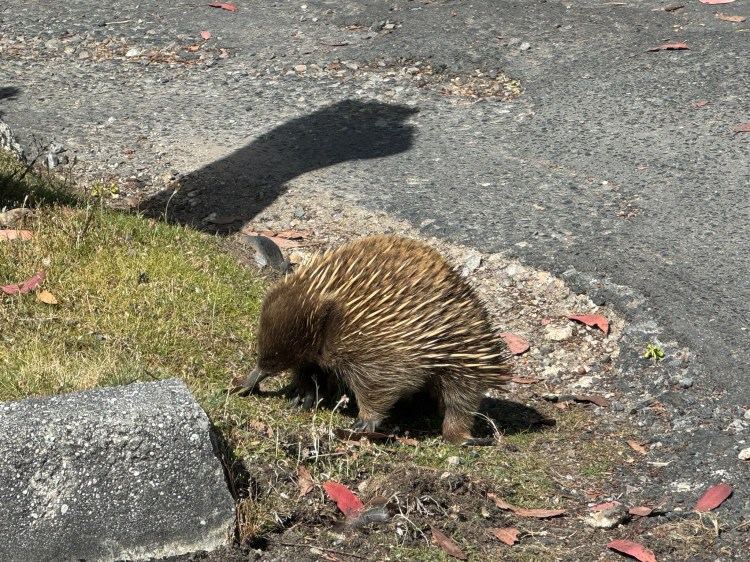
I think the pundits are wrong about the need for more babies. We visited Tasmania and glimpsed a wonderful world with a pristine environment. With the world human population growing from living longer and still mostly living by extractive versus sustainable means, I’d first advocate for transformation to sustainability among other things.
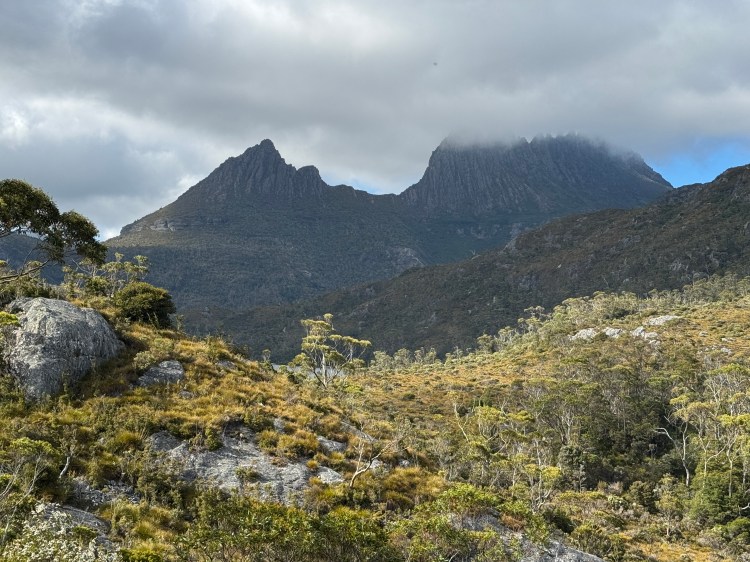
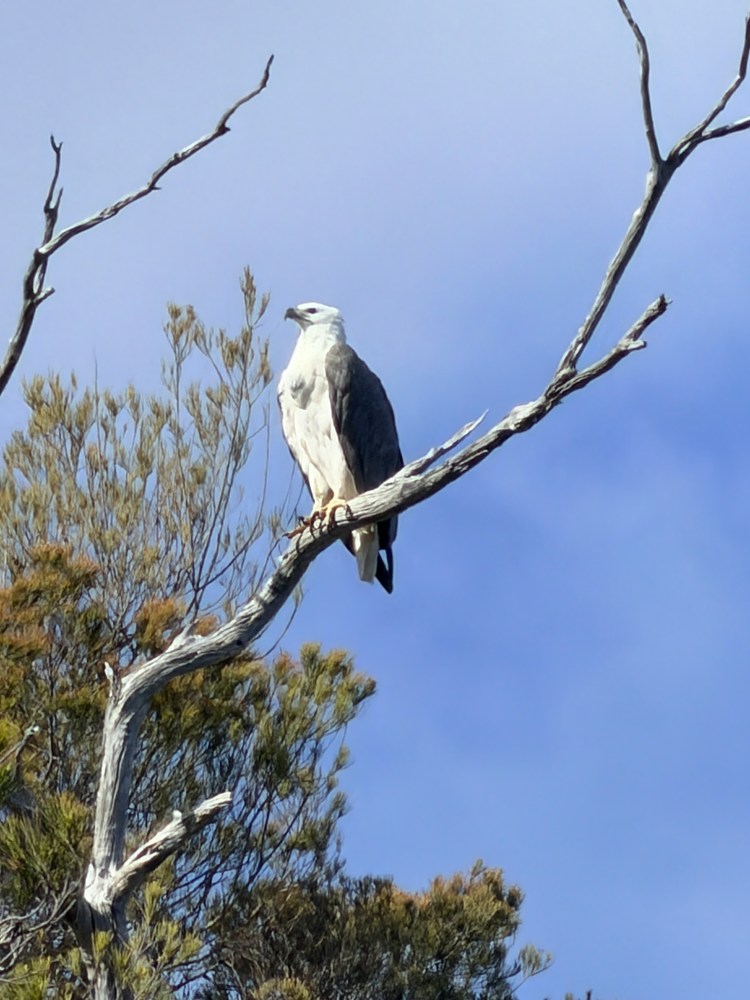
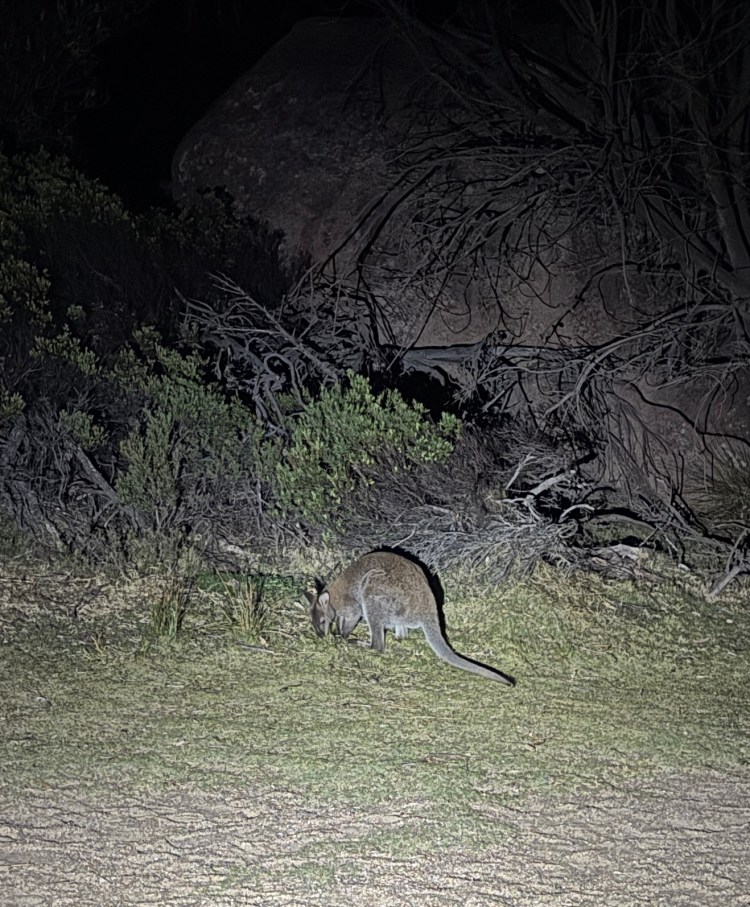
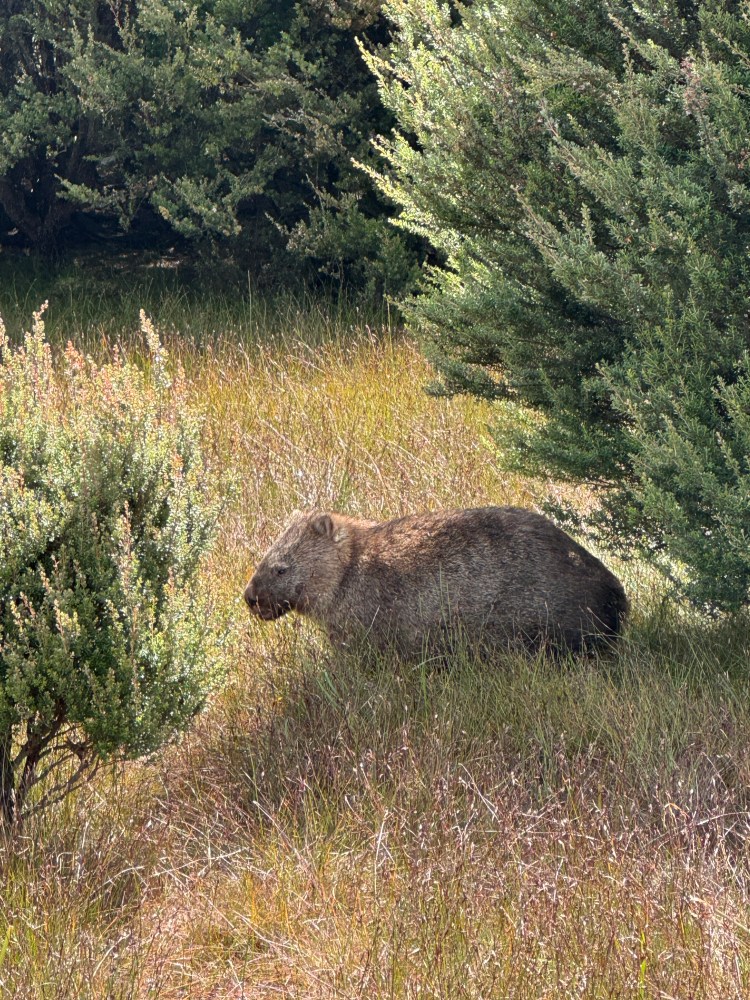
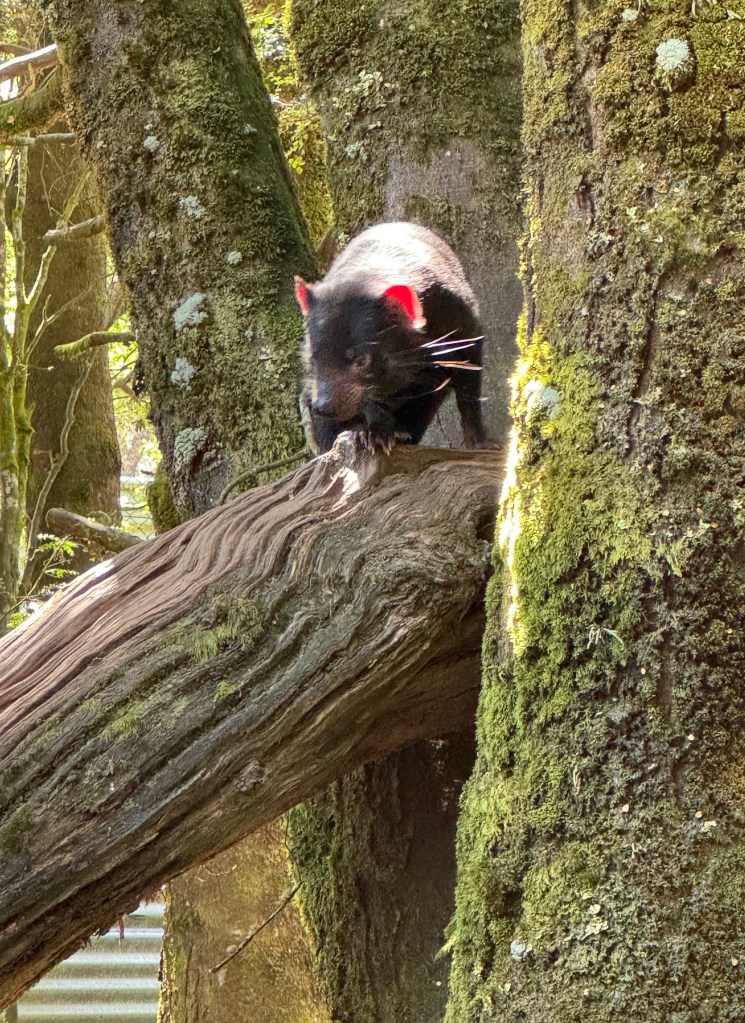
For context, Tasmania is a state of Australia and an island south of the mainland. It is forested and has a low population, 500,000, relative to its land mass, the size of West Virginia. The climate is temperate and the soil is fertile. It is carbon neutral with relatively benign agricultural practices, abundant wild life and protected wilderness and sufficient renewable energy. The cities are manageable and unclogged with traffic.
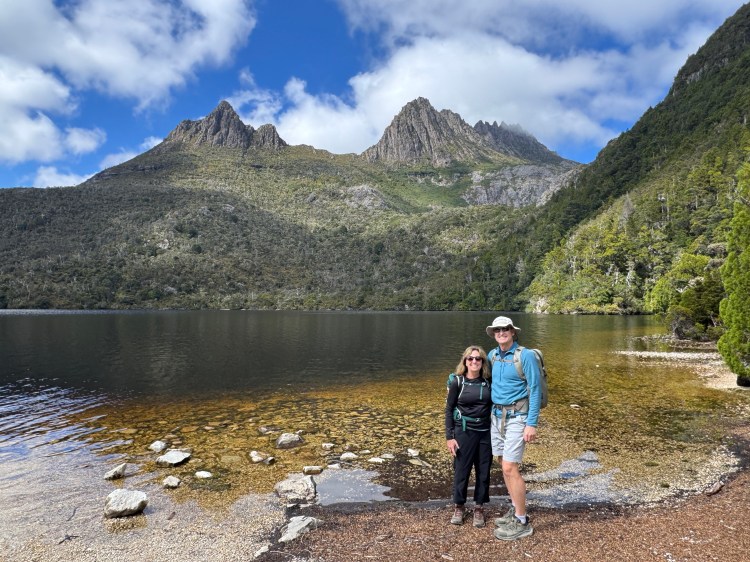
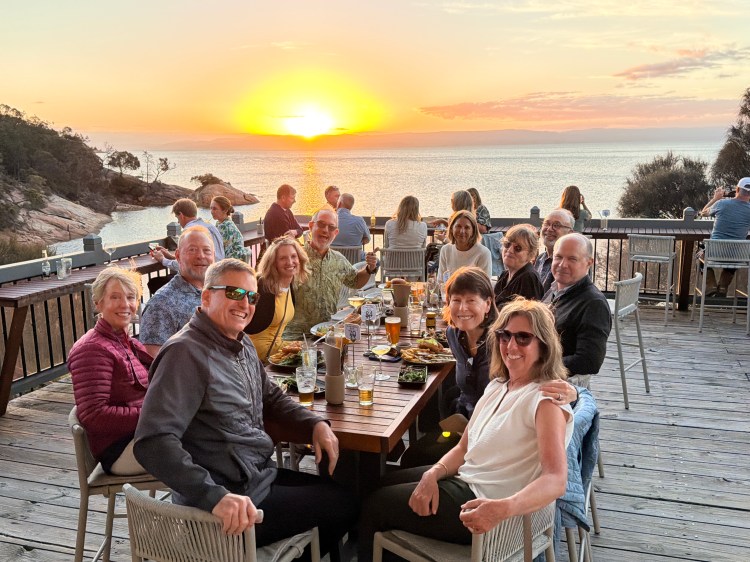
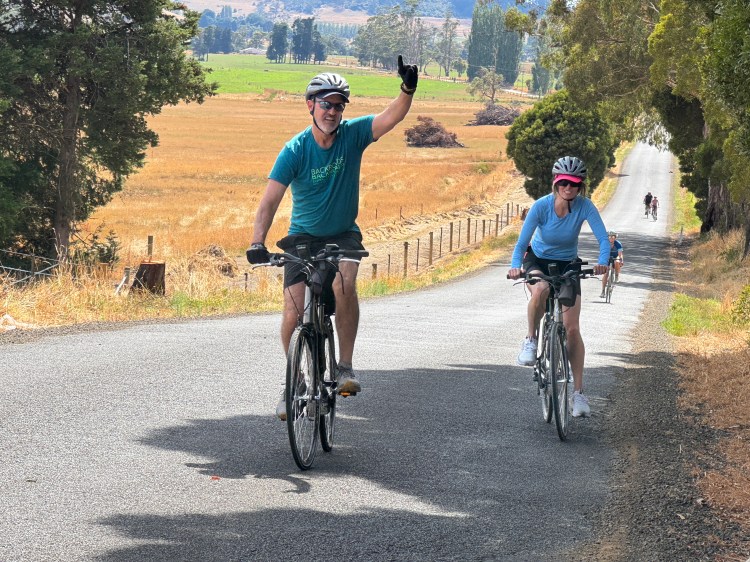
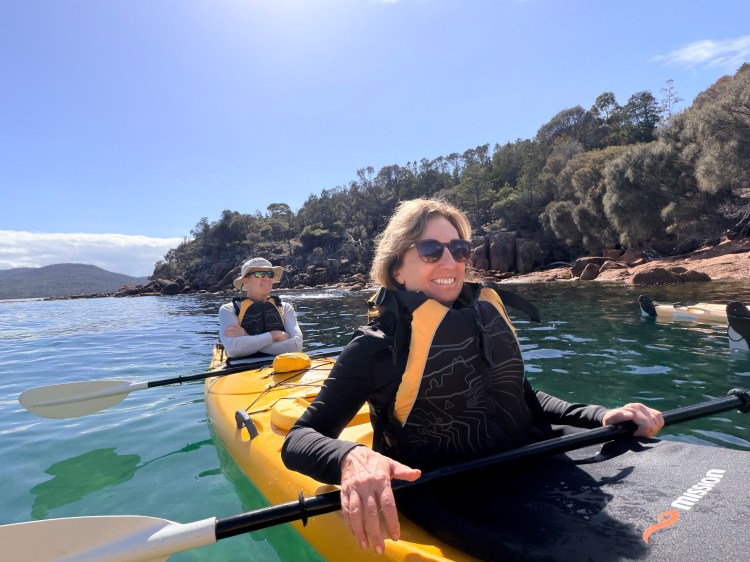
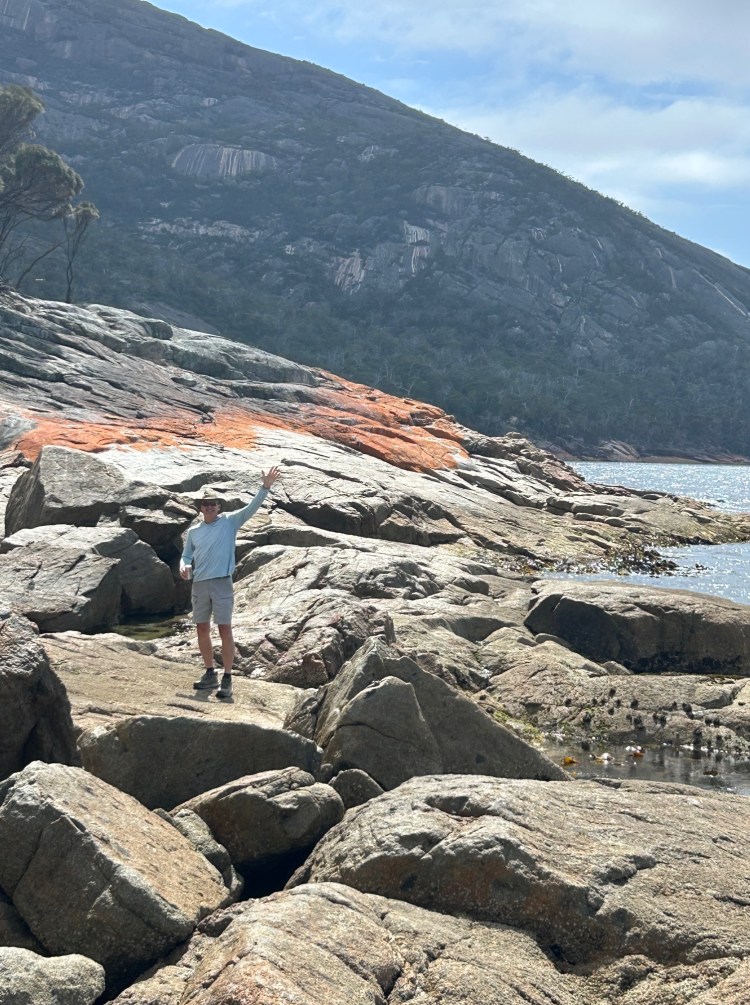
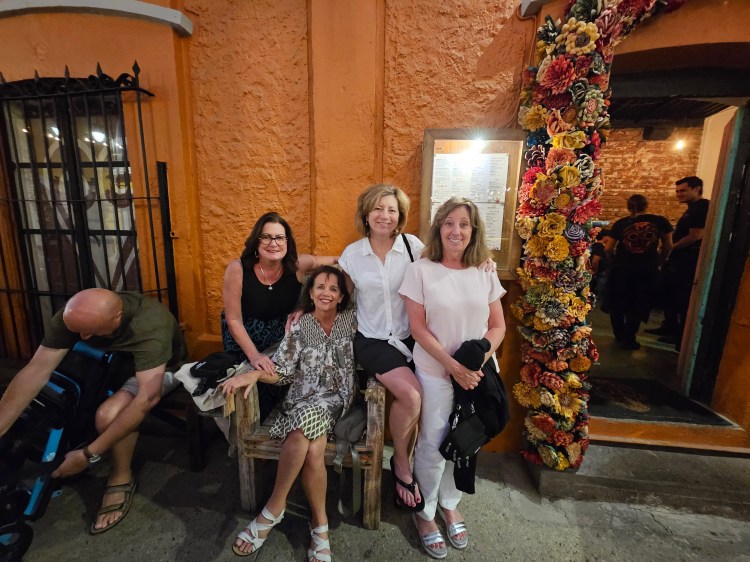
Lori and I with 4 good friends joined a group tour of supported biking, hiking and kayaking with luxury dining and lodging. We started north in Launceston and meandered down to Hobart in the south. We biked three days, hiked three days and kayaked with a staff that told us what we were doing and seeing. We had local meals with hosts telling us their stories, at a regenerative farm, a restored movie house, and a converted presbyterian church.
The lake shores and beaches were uncrowded without docks and high rises. The air is the cleanest in the world and the waters and forests are teaming with strange animals and plants compared to our northern hemisphere specimens. The topography is gentle and manageable.
We’d love to comeback and just explore some more on our own. In an apocalypse, Tasmania is touted as a great place to survive. I’d rather we transform our world in this direction than increasing our population and wearing out our environment.
by Jim Dickens January 2026
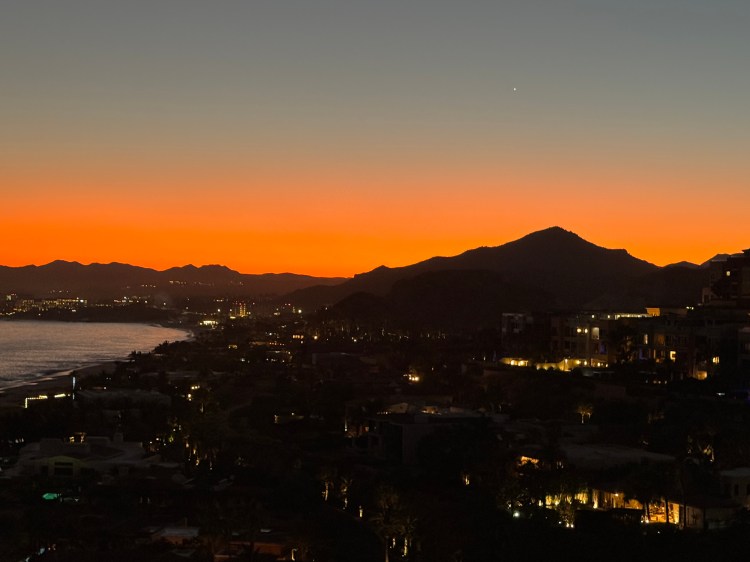
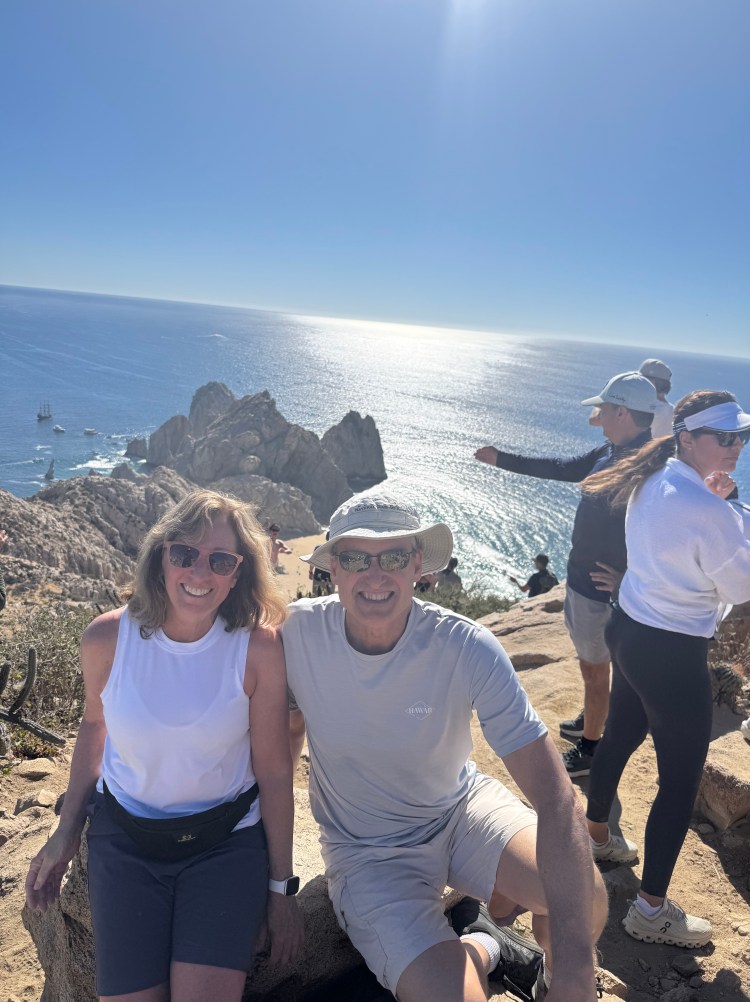
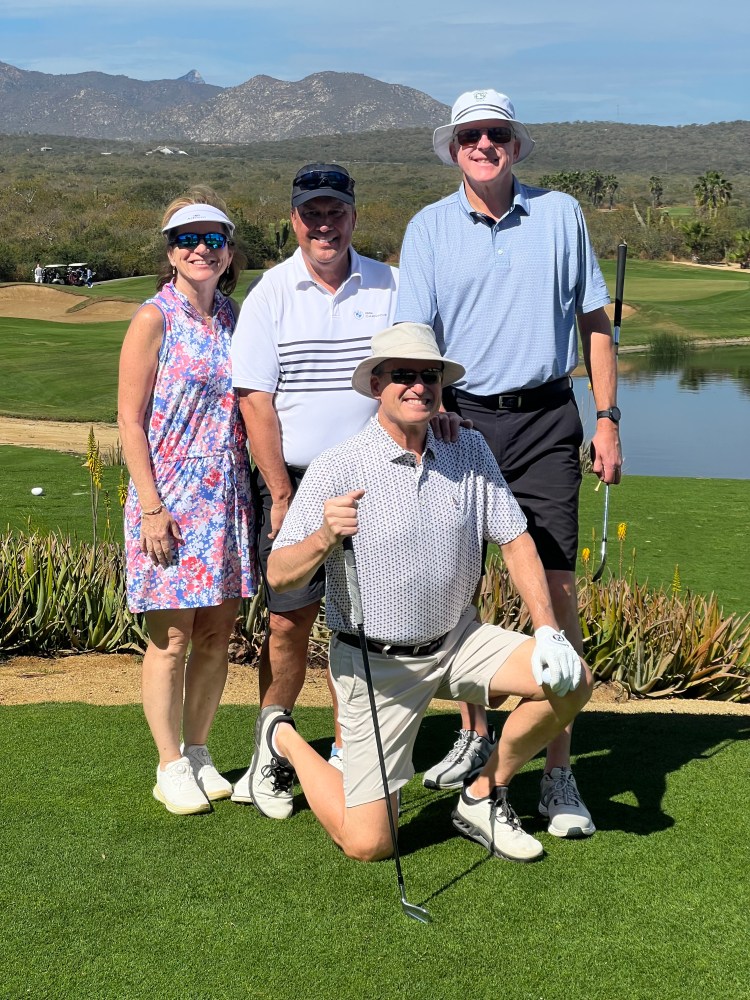
I learned on my recent trip to Bhutan that some Himalayan Buddhists practice thinking about death 3 times a day. It helps you live a better life. I imagine it helps prioritize what you do and how you appreciate. It felt true as 10 old friends headed to San Jose del Cabo to warm our bones in January.
Recently one of those friends was put in palliative care because of her cancer. She is in pain and her mobility is limited. The large and difficult effort she made was inspirational. And we were grateful she came. It made the trip better. It seemed we listened better and had more care in what we did and how we treated each other. It made me think about what if we acted this way outside the circumstance.
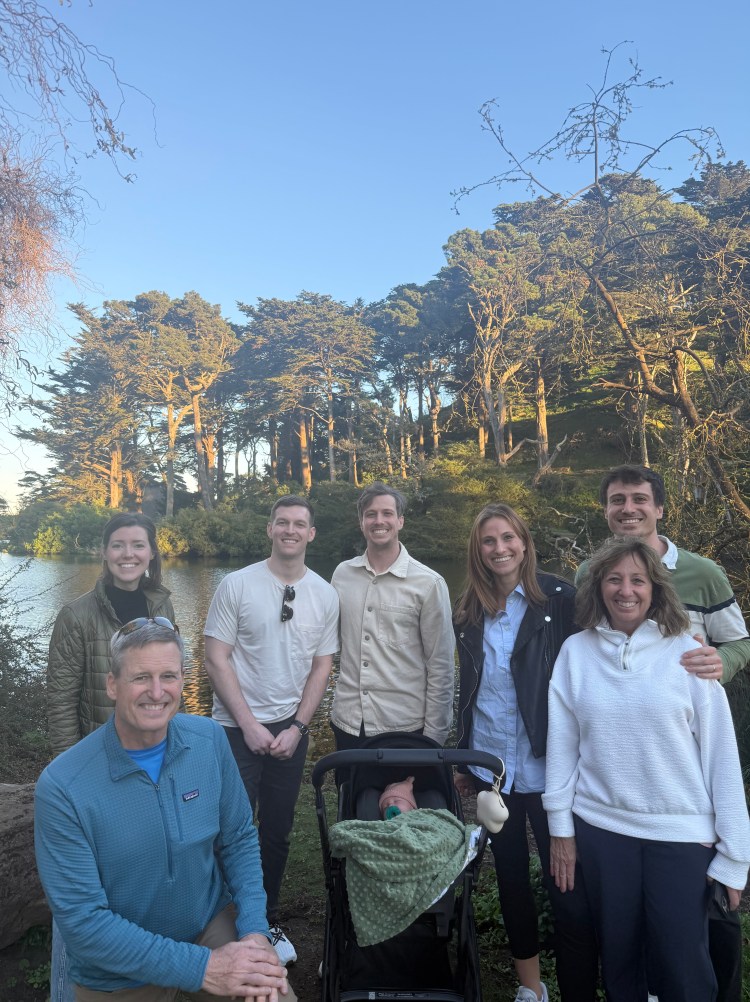
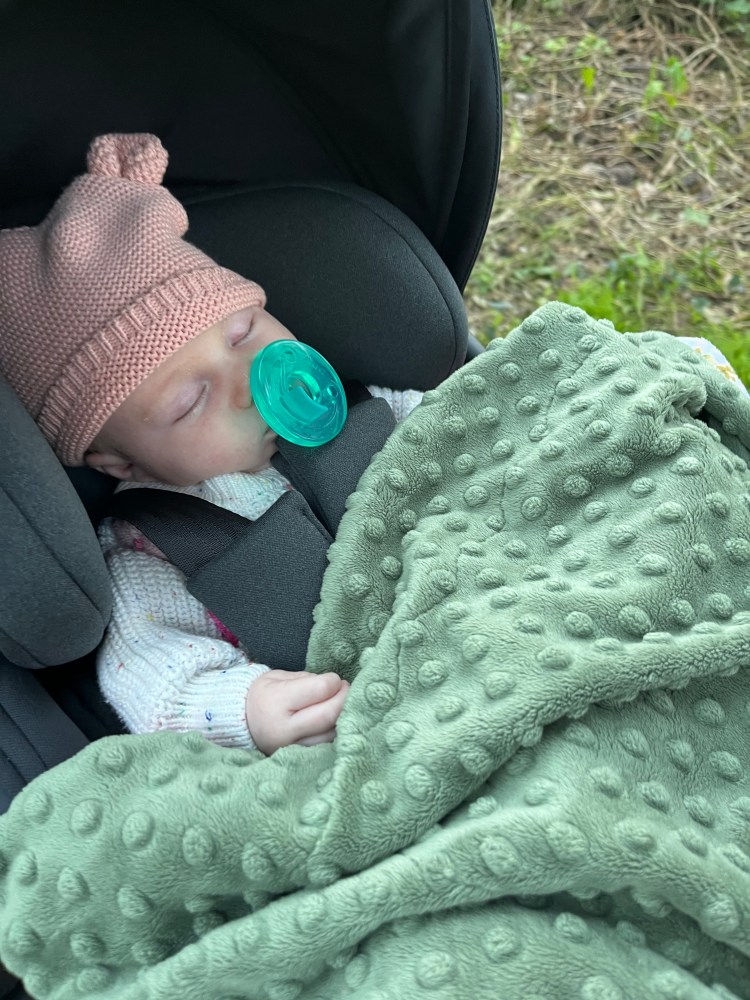
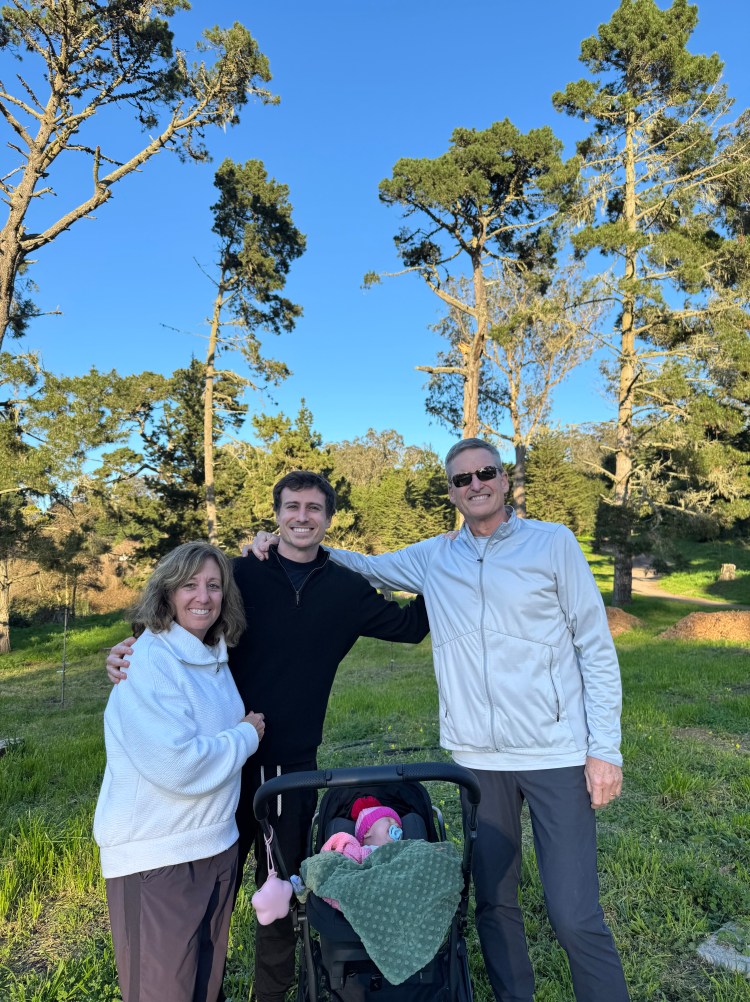
Lori and I extended our trip to see our brand new grand daughter, our son and daughter in law. They are going through a steep learning on how to be mother and father and child. I loved that they seemed to be making it a beautiful experience. Again we were grateful and inspired.
You can get stuck in the middle thinking life just keeps going on forever and forget your priorities. This trip was a marvelous way to be reminded.
Have a WordPress.com account? Log in now.